
Outdoor Living Space Ideas to Transform Your Backyard

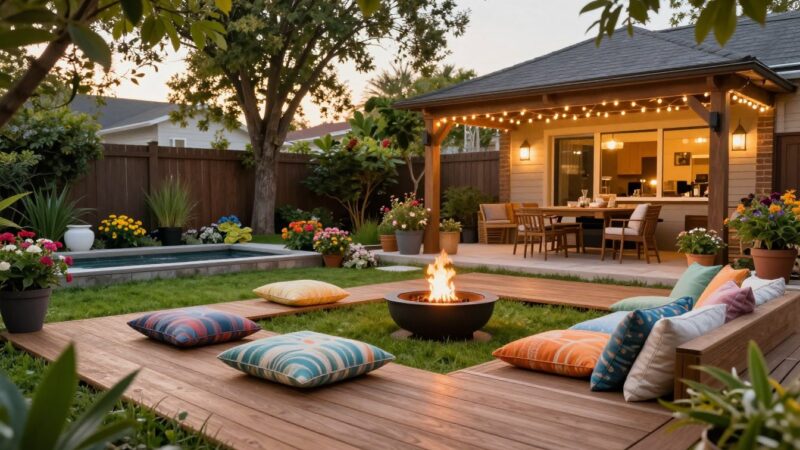
Do you dream of turning your lawn into a personal sanctuary? Many homeowners want a place where they can relax after a long day or host fun gatherings with friends. A successful backyard transformation allows you to extend your home comfort into the fresh air.
Creating a beautiful retreat does not have to be a stressful project. With the right outdoor living space ideas, you can easily design a functional area that reflects your unique style. Whether you prefer a cozy fire pit or a lush garden nook, your yard holds endless potential for joy.
We are here to help you navigate the process of upgrading your property. This guide offers practical tips to ensure your renovation project succeeds. Let us explore how you can build the perfect escape right outside your back door.
Assessing Your Backyard Potential
Before you begin designing your outdoor living space, it’s crucial to assess your backyard’s potential. This involves taking a closer look at your yard and determining how you can best utilize the space to meet your needs.
Defining Your Primary Outdoor Goals
Start by defining what you want to achieve with your outdoor living space. Are you looking to create an area for dining al fresco, or perhaps a cozy lounge zone for relaxation? Identifying your primary outdoor goals will help guide your design decisions.
Consider how you plan to use your outdoor space. Do you envision hosting large gatherings or intimate family dinners? Perhaps you’re looking to create a peaceful retreat. Your goals will influence the layout, furniture, and features you choose.
Evaluating Sunlight and Shade Patterns
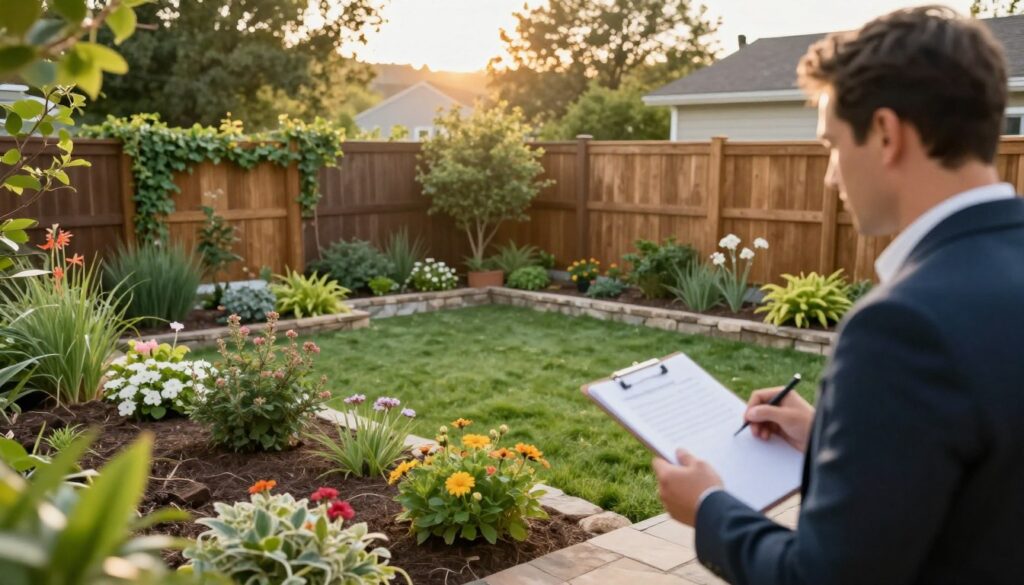
Understanding the sunlight and shade patterns in your backyard is crucial for designing an outdoor living space that is comfortable and inviting. Observe your yard at different times of the day to determine which areas receive direct sunlight and which are shaded.
This information will help you decide where to place different elements of your outdoor living space. For example, you may want to position your dining area in a spot that receives plenty of sunlight during the day but is shaded in the late afternoon.
- Observe sunlight patterns throughout the day.
- Note areas of full sun, partial shade, and full shade.
- Consider how the sunlight will affect your outdoor activities.
By carefully assessing your backyard’s potential, defining your outdoor goals, and understanding sunlight and shade patterns, you can create an outdoor living space that is both functional and enjoyable.
Creative Outdoor Living Space Ideas for Every Budget
Outdoor living spaces can be elevated on any budget by incorporating thoughtful design and DIY projects. Whether you’re looking to make a few minor adjustments or undertake a major renovation, there are strategies to suit every financial plan.
Low-Cost DIY Refresh Strategies
Refreshing your outdoor space doesn’t have to be expensive. Here are some budget-friendly DIY ideas:
- Repurpose old furniture with a fresh coat of paint or new cushions.
- Create a DIY outdoor lighting system using solar-powered lights.
- Use plants and greenery to add color and texture to your space.
- Make your own outdoor decor, such as throw pillows and planters.
These projects not only save money but also add a personal touch to your outdoor area.
Investing in Long-Term Structural Upgrades
For those willing to invest in their outdoor living space, several long-term upgrades can significantly enhance the area’s functionality and aesthetic appeal.
Some ideas include:
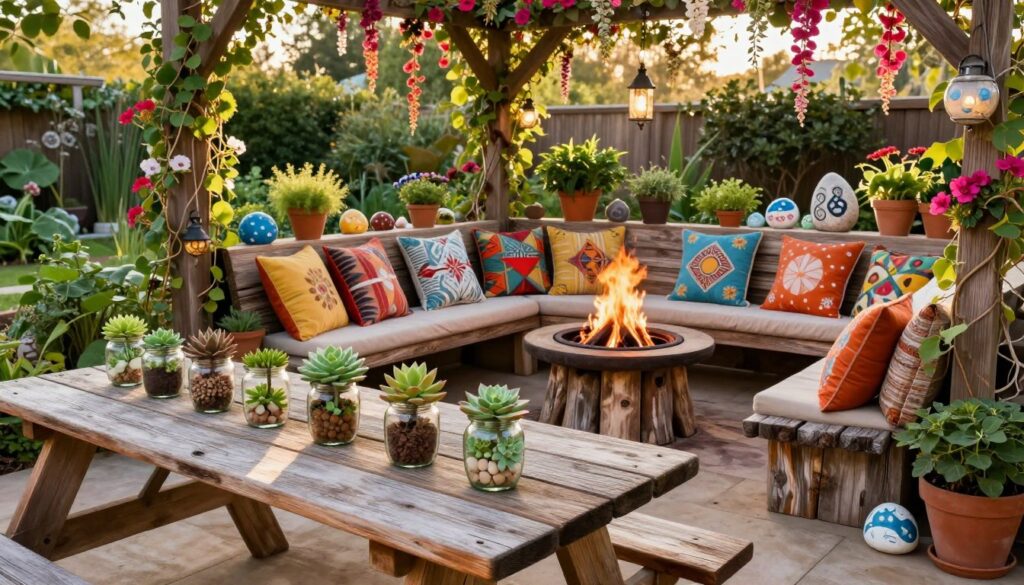
- Installing a pergola or gazebo to create a shaded area.
- Building an outdoor kitchen or barbecue station.
- Incorporating water features, such as a small pond or fountain.
These upgrades not only improve the usability of your outdoor space but also increase your property’s value.
Designing the Perfect Al Fresco Dining Area
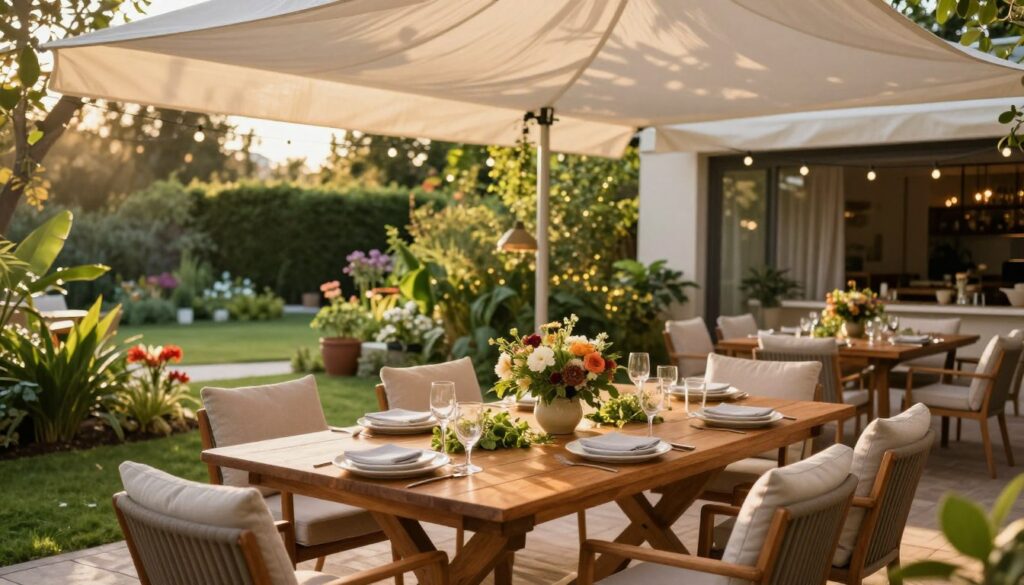
Creating the perfect al fresco dining area is about blending functionality with aesthetic appeal. It’s a space where you can enjoy meals surrounded by nature, making the dining experience more enjoyable and memorable.
To achieve this, it’s crucial to consider both the furniture and the kitchen elements that will be part of your outdoor dining space. The right choices will not only enhance the beauty of your backyard but also ensure that your al fresco dining area is comfortable and functional.
Selecting Weather-Resistant Dining Furniture
When it comes to outdoor furniture, durability is key. The furniture must be able to withstand various weather conditions, from intense sunlight to heavy rainfall. Materials such as teak, recycled plastic, and wrought iron are popular choices due to their weather-resistant properties.
Here are some factors to consider when selecting dining furniture for your al fresco dining area:
- Material durability and resistance to weather conditions
- Comfort and ergonomics
- Aesthetic appeal and how it complements your outdoor space
- Maintenance requirements
| Material | Durability | Maintenance | Aesthetic Appeal |
|---|---|---|---|
| Teak | High | Low | High |
| Recycled Plastic | High | Low | Medium |
| Wrought Iron | High | Medium | High |
Integrating Outdoor Kitchen Elements
An outdoor kitchen can significantly enhance your al fresco dining experience by providing the convenience of cooking and dining in the same outdoor space. Key elements to consider include a grill, countertops, and storage.
The choice of materials for your outdoor kitchen should complement your dining furniture and overall outdoor decor. For instance, granite or stainless steel countertops can add a touch of elegance, while a built-in grill can provide the functionality you need for outdoor cooking.
When integrating outdoor kitchen elements, consider the workflow and ensure there’s enough space for food preparation and cooking. Also, think about the lighting and heating elements that can extend your outdoor dining into the evening.
Creating Cozy Lounge Zones with Fire Features
As the sun sets, transforming your backyard into a cozy retreat with fire features can elevate your outdoor living experience. A well-designed fire feature not only provides warmth but also creates a focal point that fosters social interaction and relaxation.
When designing a cozy lounge zone, it’s essential to consider the type of fire feature that suits your needs. The choice between wood-burning and gas fire pits, as well as the incorporation of outdoor fireplaces, can significantly impact the ambiance and functionality of your outdoor space.
Choosing Between Wood-Burning and Gas Fire Pits
The debate between wood-burning and gas fire pits often comes down to personal preference, maintenance willingness, and the desired ambiance. Wood-burning fire pits offer a traditional campfire experience with the crackling sound and smell of burning wood. However, they require more maintenance, as they produce ash and can be messy.
On the other hand, gas fire pits are cleaner and more convenient, offering adjustable flames and often coming with safety features like automatic shut-off. They are ideal for those who want a hassle-free experience and are willing to sacrifice some of the authentic campfire feel.
- Consider the maintenance you’re willing to undertake.
- Think about the ambiance you wish to create.
- Evaluate the cost and installation requirements.
Incorporating Outdoor Fireplaces for Ambiance
Outdoor fireplaces can add a level of sophistication and warmth to your backyard, creating an inviting atmosphere for gatherings. They can be designed to fit various styles, from modern to traditional, and can be constructed from a range of materials, including stone, brick, or metal.
When incorporating an outdoor fireplace, consider its placement in relation to your lounge zone. It should be positioned to maximize warmth and visibility while ensuring safety. Additionally, think about the chimney design and venting requirements to ensure proper function and compliance with local regulations.
Enhancing Privacy with Landscaping and Structures
Transforming your backyard into a private retreat can be achieved through thoughtful landscaping and structural elements. A well-designed outdoor space not only provides a serene escape from the world but also enhances the overall aesthetic and value of your property.
To effectively enhance privacy, it’s essential to consider both natural and structural barriers. This can be achieved through the incorporation of elements such as vertical gardens and pergolas.
Using Vertical Gardens and Living Walls
Vertical gardens and living walls are innovative solutions for enhancing privacy while adding a touch of greenery to your outdoor space. These structures can be particularly effective in urban settings where space is limited.
They work by creating a natural barrier that blocks the view from neighboring properties. Moreover, they contribute to a more sustainable environment by improving air quality and reducing noise pollution.
Installing Pergolas and Privacy Screens
Pergolas and privacy screens are structural elements that can significantly enhance the privacy of your outdoor living space. Pergolas, with their latticework design, can be adorned with climbing plants to create a natural canopy.
Privacy screens, on the other hand, offer a more immediate solution and can be made from a variety of materials, including wood, metal, and composite materials. They can be strategically placed to block the view from specific angles.
To illustrate these concepts, consider the following image that showcases a beautifully designed outdoor space incorporating some of these privacy-enhancing elements.
By combining thoughtful landscaping with structural elements like vertical gardens, living walls, pergolas, and privacy screens, homeowners can create outdoor spaces that are not only beautiful but also private and secluded.
Lighting Techniques to Extend Your Evenings
Outdoor lighting is not just about visibility; it’s about creating ambiance and extending your outdoor living space. Proper lighting can make your backyard a welcoming area for relaxation and entertainment long after the sun has set.
To achieve this, it’s essential to understand the different types of lighting and how they can be used together to create a harmonious and functional outdoor space.
Layering Ambient and Task Lighting
Layering different types of lighting is key to creating an inviting outdoor atmosphere. Ambient lighting provides overall illumination, while task lighting focuses on specific areas where activities take place.
- Ambient lighting can be achieved through overhead lighting fixtures or string lights that illuminate larger areas.
- Task lighting, such as tabletop torches or under-cabinet lighting in outdoor kitchens, is crucial for tasks like cooking or reading.
Utilizing Solar-Powered Path Lights
Solar-powered path lights are an eco-friendly and cost-effective way to illuminate walkways and add to the ambiance of your outdoor space.
These lights charge during the day and automatically turn on at dusk, providing a soft, warm glow along paths and around gardens.
- They are easy to install since they don’t require wiring.
- Solar-powered lights come in a variety of styles and designs, from modern to traditional.
By incorporating these lighting techniques into your outdoor living space, you can enjoy your backyard well into the evening, creating a warm and welcoming atmosphere for family and friends.
Selecting Durable Materials for American Climates
Durable materials are the backbone of any outdoor living space, especially in America’s diverse climates. From the scorching deserts to the humid coastlines, the right materials can make all the difference in the longevity and aesthetic appeal of your outdoor area.
The United States encompasses a wide range of climates, each with its unique challenges. For instance, the southern states experience high humidity and intense sunlight, while the northern states face harsh winters with freezing temperatures and snow. Therefore, it’s crucial to choose materials that can withstand these varied conditions.
Benefits of Teak and Powder-Coated Aluminum
Two materials that stand out for their durability and resistance to the elements are teak and powder-coated aluminum. Teak is a hardwood renowned for its natural resistance to rot, decay, and insect damage. It’s also highly resistant to moisture, making it an ideal choice for outdoor furniture and structures.
Powder-coated aluminum, on the other hand, offers a durable and versatile option for outdoor furniture and decor. The powder coating process involves applying a dry powder to the aluminum surface, which is then baked to create a hard, protective finish. This finish is not only resistant to chipping and fading but also provides excellent protection against corrosion.
| Material | Durability | Maintenance | Aesthetic Appeal |
|---|---|---|---|
| Teak | High | Low | Natural, Classic |
| Powder-Coated Aluminum | High | Low | Modern, Versatile |
Choosing All-Weather Fabrics and Rugs
In addition to durable furniture, selecting the right fabrics and rugs is crucial for creating an inviting outdoor space. All-weather fabrics are designed to withstand exposure to the elements, including sunlight, rain, and extreme temperatures.
When choosing outdoor fabrics, look for materials treated with water-repellent coatings or made from synthetic fibers like polyester or acrylic. These fabrics are not only durable but also easy to clean and maintain.
For outdoor rugs, consider those made from materials like polypropylene or recycled plastic. These rugs are resistant to moisture, fading, and mildew, making them perfect for high-traffic outdoor areas.
By selecting durable materials like teak, powder-coated aluminum, and all-weather fabrics and rugs, you can create an outdoor living space that is both beautiful and functional, regardless of the American climate you live in.
Conclusion
Transforming your backyard into a beautiful outdoor living space is now within reach. By assessing your backyard’s potential, exploring creative outdoor living space ideas, and selecting durable materials, you can create a functional and inviting area perfect for relaxation and entertainment.
From designing the perfect al fresco dining area to enhancing privacy with landscaping and structures, the possibilities for backyard transformation are endless. By incorporating elements like fire features, lighting techniques, and weather-resistant furniture, you can extend your living space and enjoy the outdoors throughout the year.
With these outdoor living space ideas, you’re ready to start your backyard transformation journey. Begin by identifying your primary outdoor goals and exploring the many possibilities available to create your dream outdoor oasis.
FAQ
How can I determine the best layout for my backyard based on sunlight?
To get the most out of your space, track the sun’s path throughout the day to see where it hits during peak hours. If you’re planning a dining area for evening meals, you’ll want a spot that catches the sunset without being uncomfortably hot; for those mid-day brunches, consider installing a pergola or using a Tuuci umbrella to provide much-needed relief from the glare.
What are some budget-friendly ways to upgrade my outdoor living area?
You don’t need a massive budget to make a big impact! A simple DIY refresh can include adding a fresh coat of high-quality stain to an existing deck or laying down a stylish outdoor rug from Pottery Barn. Swapping out old cushions for vibrant Sunbrella fabrics is another cost-effective way to make your furniture look brand new without the price tag of a full replacement.
Should I opt for a wood-burning or gas fire pit for my lounge zone?
It really depends on the vibe you’re after! If you love the crackle and scent of a real fire, a Solo Stove is an incredible wood-burning option that minimizes smoke while providing that classic campfire feel. However, if you prefer the convenience of an instant flame and easy cleanup, a gas fire pit from a brand like Heat & Glo is perfect for creating instant ambiance at the flip of a switch.
How do I choose the right materials to withstand various American climates?
Durability is key when dealing with humidity, snow, or intense heat. Powder-coated aluminum is fantastic because it’s rust-resistant and lightweight, while teak remains a gold standard for its natural oils that repel moisture. For decking that lasts for decades with minimal maintenance, many American homeowners swear by Trex composite materials to handle the elements year-round without warping or rotting.
What is the most effective way to create privacy without building a tall fence?
If you want a more natural look than a standard fence, try incorporating “living walls” or vertical gardens. Fast-growing privacy hedges or a series of tall planters filled with bamboo can create a lush, green screen. For a more architectural feel, a pergola equipped with sliding privacy screens or outdoor drapes from West Elm can help block the view from neighboring houses while keeping the space feeling airy and open.
