
How to Build the Perfect Skincare Routine: Step-by-Step Guide

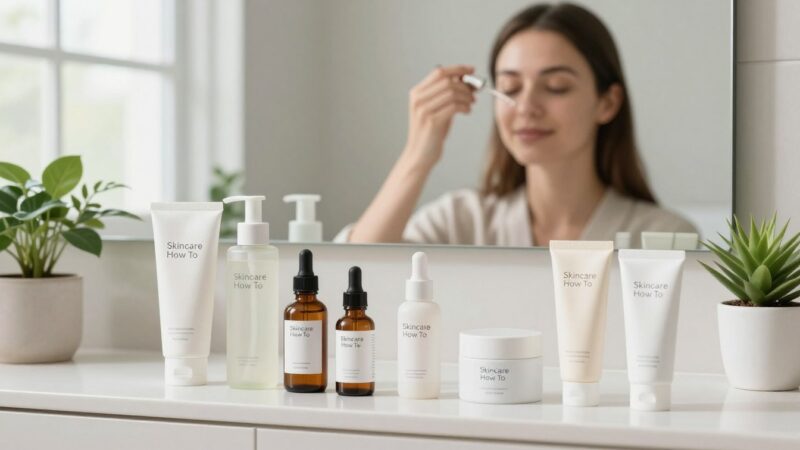
Journey Tribune – As I reflect on my journey to healthy, glowing skin, I realize that establishing a consistent beauty routine was a game-changer. It’s not just about using the right products; it’s about understanding your skin and creating a personalized skin care plan.
Having a well-structured skincare routine can make all the difference in achieving the complexion you desire. It’s about more than just looking good – it’s about feeling confident and taking care of your skin. In this guide, I’ll walk you through the steps to build a perfect routine tailored to your skin type and concerns.
By following this step-by-step guide, you’ll be able to create a beauty routine that not only enhances your skin but also fits seamlessly into your lifestyle.
Understanding Your Skin Type and Concerns
Before diving into skincare products, it’s crucial to identify your skin type and concerns. This foundational step ensures that you’re using the right products for your specific needs, making your skincare routine more effective.
How to Determine Your Skin Type at Home
Determining your skin type is straightforward. You can perform a simple test by washing your face, waiting an hour, and then checking how your skin feels. If it feels tight, you likely have dry skin. If it’s oily, you have oily skin. A combination of both might indicate combination skin. Normal skin feels balanced, neither too oily nor too dry.

Identifying Your Specific Skin Concerns
Common skin concerns include acne, hyperpigmentation, and sensitivity. Understanding these concerns helps in choosing products with the right active ingredients. For instance, if you have acne-prone skin, look for products containing salicylic acid or benzoyl peroxide.
Why I Recommend Personalized Approaches
A personalized skincare approach is more effective than a one-size-fits-all solution. By understanding your skin type and concerns, you can tailor your routine to address specific issues, leading to better results and healthier skin.
The Science Behind Effective Skincare
Skincare isn’t just about applying products; it’s about understanding how your skin works. To develop an effective skincare routine, you need to grasp the basics of skin anatomy and how different products interact with your skin.
Basic Skin Anatomy You Should Know
Your skin is composed of several layers, with the outermost layer, the stratum corneum, being the most critical for skincare. This layer acts as a barrier, controlling what enters and leaves your skin. Understanding this helps in choosing products that effectively penetrate and benefit your skin.

How Products Actually Penetrate Your Skin
The ability of skincare products to penetrate your skin depends on their formulation and your skin type. Products containing hyaluronic acid and glycerin are excellent for hydration as they can attract and retain moisture. Other ingredients like retinoids and peptides work deeper in the skin to address concerns like aging and skin elasticity.
Why Consistency Trumps Complexity
A consistent skincare routine is more effective than a complex one with multiple products. Using a few well-chosen products regularly can lead to better results than frequently changing products. Consistency allows your skin to adjust and respond positively to the active ingredients.
Some key benefits of consistency include:
- Improved skin texture
- Enhanced product efficacy
- Reduced risk of irritation
By understanding the science behind skincare and maintaining a consistent routine, you can achieve healthier, more resilient skin.
Essential Morning Skincare Routine Steps
Starting your day with a consistent morning skincare routine can make all the difference in achieving healthy, glowing skin. A morning routine helps in removing overnight impurities and preparing your skin for the day ahead.
Gentle Cleansing Techniques I Swear By
Gentle cleansing is the first step in your morning skincare routine. It’s essential to use a cleanser that effectively removes dirt without stripping your skin of its natural oils. I recommend using a mild, non-foaming cleanser that’s suitable for your skin type.
Toning: Is It Necessary for Your Skin?
Toning can be a beneficial step for many skin types, helping to balance your skin’s pH and remove any remaining impurities after cleansing. However, it’s not a necessity for everyone. If you have sensitive skin, you might want to approach toning with caution or skip it altogether.
Morning Serums and Active Ingredients
Serums are packed with active ingredients that can address various skin concerns, from hydration to anti-aging. In the morning, a serum can help protect your skin from environmental stressors and enhance your skin’s natural glow.
Daytime Moisturizing and Sun Protection
Moisturizing is crucial for maintaining hydrated skin, while sun protection is vital for preventing premature aging and skin damage. I recommend using a moisturizer with SPF or applying a broad-spectrum sunscreen after your moisturizer.
| Product | Function | Skin Type |
|---|---|---|
| Mild Cleanser | Cleansing | All |
| Toner | Balancing pH | Normal to Oily |
| Serum | Targeted treatment | All |
| Moisturizer with SPF | Hydration and Protection | All |
Building Your Evening Skincare Routine
Establishing an effective evening skincare routine is crucial for maintaining healthy, glowing skin. As we navigate our daily lives, our skin is exposed to various stressors, from environmental pollutants to makeup and sunscreen. A well-structured evening routine helps to counteract these effects.
My Approach to Double Cleansing
Double cleansing is a game-changer for removing makeup, sunscreen, and daily grime. I start with a gentle oil-based cleanser to dissolve makeup and sunscreen, followed by a water-based cleanser to deeply clean the pores. This two-step process ensures a thorough cleanse without stripping the skin of its natural oils.
Exfoliation: Types, Benefits, and Frequency
Exfoliation is a critical component of any skincare routine. There are two main types: physical exfoliants, like scrubs and brushes, and chemical exfoliants, such as alpha-hydroxy acids (AHAs) and beta-hydroxy acids (BHAs). The frequency of exfoliation depends on your skin type: 1-3 times a week for normal to oily skin, and 1 time a week for sensitive skin.
Targeted Night Treatments and Serums
Night treatments and serums are designed to address specific skin concerns, such as acne, aging, or hyperpigmentation. I use a serum containing retinol or peptides to stimulate collagen production and cell turnover, helping to reduce fine lines and wrinkles.
Rich Moisturizers and Overnight Masks
Finally, I lock in the previous steps’ benefits with a rich moisturizer or overnight mask. These products provide intense hydration and nourishment, helping to repair and rejuvenate the skin overnight. I look for products containing hyaluronic acid or glycerin for their moisturizing properties.
Key Ingredients for Transformative Results
To achieve glowing skin, it’s essential to understand key ingredients that can transform your skincare routine. The right combination of ingredients can address various skin concerns, from hydration and protection to anti-aging and exfoliation.
1. Hydration Heroes: Hyaluronic Acid and Glycerin
Hyaluronic acid and glycerin are renowned for their hydrating properties. Hyaluronic acid can hold up to 1000 times its weight in water, making it a powerful humectant that retains moisture in the skin. Glycerin, on the other hand, helps to attract and retain moisture, leaving the skin feeling soft and supple.
2. Protective Antioxidants: Vitamins C, E, and Niacinamide
Antioxidants like vitamins C and E, along with niacinamide, play a crucial role in protecting the skin from environmental stressors and damage caused by free radicals. Vitamin C brightens and evens out skin tone, while vitamin E provides nourishment and protection. Niacinamide improves skin elasticity and reduces inflammation.
3. Exfoliating Acids: AHAs, BHAs, and PHAs
AHAs (Alpha Hydroxy Acids), BHAs (Beta Hydroxy Acids), and PHAs (Polyhydroxy Acids) are exfoliating agents that help remove dead skin cells, unclog pores, and improve skin texture. AHAs like glycolic acid are great for surface-level exfoliation, while BHAs like salicylic acid penetrate deeper into pores. PHAs offer a gentler alternative with additional hydrating benefits.
4. Anti-Aging Powerhouses: Retinoids and Peptides
Retinoids, derived from vitamin A, are known for their anti-aging properties, including reducing fine lines, wrinkles, and skin discoloration. Peptides are short chains of amino acids that stimulate collagen production, improving skin elasticity and firmness. Together, they can significantly enhance skin texture and appearance.
| Ingredient | Benefits |
|---|---|
| Hyaluronic Acid | Hydration, plumping |
| Vitamin C | Brightening, antioxidant |
| Retinoids | Anti-aging, collagen stimulation |
Customizing Your Skincare Routine for Different Skin Types
Customizing your skincare routine to your specific skin type is crucial for achieving the best results. Different skin types have unique needs, and understanding these needs is key to creating an effective skincare regimen.
Dry Skin: Adding Moisture Without Heaviness
For dry skin, the goal is to add moisture without feeling heavy or greasy. I recommend using hydrating serums and moisturizers rich in hyaluronic acid and glycerin. These ingredients help retain moisture without clogging pores.
- Use a gentle, non-foaming cleanser to avoid stripping natural oils.
- Apply a hydrating toner to help lock in moisture.
- Seal with a rich moisturizer or facial oil.
Oily and Acne-Prone Skin: Balance Without Stripping
Oily and acne-prone skin requires balance without stripping its natural oils. I suggest using lightweight, oil-free products containing salicylic acid or benzoyl peroxide to control acne and reduce oiliness.
Key products for oily skin include:
- Gel cleansers that effectively clean without drying.
- Lightweight, non-comedogenic moisturizers.
- Products containing tea tree oil for their antibacterial properties.
Combination Skin: Zone-Specific Treatments
Combination skin requires zone-specific treatments. Typically, the T-zone is oilier, while the cheeks are drier. I recommend using products that can be applied selectively to different areas of the face.
- Use a mattifying product on the T-zone to control oil.
- Apply a hydrating product to the cheeks to combat dryness.
Sensitive Skin: Gentle Yet Effective Approaches
For sensitive skin, gentle yet effective approaches are necessary. I advise using fragrance-free, hypoallergenic products that are less likely to irritate. Patch testing new products is also crucial.
Tips for sensitive skin:
- Opt for products labeled as “sensitive skin friendly.”
- Avoid harsh exfoliants or products with high concentrations of active ingredients.
- Always patch test new products on a small area before full application.
By tailoring your skincare routine to your specific skin type, you can achieve healthier, more balanced skin. Remember, patience and consistency are key, as it may take some time to see results.
Seasonal Adjustments to Your Skincare Routine
Adapting your skincare routine to the changing seasons is crucial for maintaining healthy, glowing skin. As the environment around us changes, so do the needs of our skin.
Winter Protection Strategies I Use
During the winter, the cold weather and low humidity can strip the skin of its natural moisture. To combat this, I switch to a richer moisturizer and use a humidifier at home to add moisture back into the air. I also make sure to exfoliate carefully to avoid drying out my skin further.
Summer Skincare: Beyond Just Sunscreen
In the summer, the heat and humidity can lead to increased oil production and sweat. I focus on using lightweight, oil-free products that won’t clog pores. I also prioritize sunscreen with a high SPF to protect my skin from UV damage.
Spring and Fall Transition Tips
During the spring and fall, the skin needs to adjust to the changing temperatures and humidity levels. I start by reassessing my skincare products and making necessary product swaps. For instance, I may switch from a rich winter moisturizer to a lighter lotion in the spring.
Humidity Considerations
Humidity plays a significant role in how our skin behaves. In humid climates, it’s essential to use products that won’t exacerbate oiliness or clog pores.
Product Swaps I Recommend
As the seasons change, it’s a good idea to reassess your skincare products. Consider swapping out heavy products for lighter ones in the spring and summer, and vice versa in the fall and winter.
Advanced Skincare Techniques and Tools Worth Trying
Elevate your skincare routine with advanced techniques and tools that promise transformative results. As we continue to explore the world of skincare, it’s clear that incorporating advanced methods can significantly enhance your routine’s effectiveness.
Facial Massage and Gua Sha Benefits
Facial massage and gua sha are ancient techniques that have gained popularity for their ability to improve skin health. Facial massage increases blood flow, reduces tension, and can help to contour the face. Gua sha, on the other hand, involves scraping the skin with a tool to promote lymphatic drainage and reduce inflammation.
My Experience with LED Light Therapy
LED light therapy has become a staple in many advanced skincare routines. Different wavelengths of light target various skin concerns, from acne to signs of aging. I’ve found that consistent use of LED light therapy can lead to noticeable improvements in skin texture and a reduction in fine lines.
Microcurrent Devices: At-Home Facelift?
Microcurrent devices are touted as an at-home alternative to facelifts. These devices use low-level electrical currents to stimulate facial muscles and improve skin elasticity. While results can vary, many users report a more lifted and toned appearance after regular use.
Dermarolling Safety and Best Practices
Dermarolling, or microneedling, involves using a device with tiny needles to create micro-injuries in the skin, stimulating collagen production. To ensure safety, it’s crucial to follow best practices, including proper sterilization and avoiding over-rolling, which can irritate.
| Technique/Tool | Primary Benefit | Precautions |
|---|---|---|
| Facial Massage | Increased blood flow and relaxation | Be gentle to avoid pulling or tugging on the skin |
| Gua Sha | Promotes lymphatic drainage | Use a gentle touch and proper technique to avoid bruising |
| LED Light Therapy | Targets various skin concerns | Follow the manufacturer’s guidelines for usage and eye protection |
| Microcurrent Devices | Stimulates facial muscles | Be consistent with usage and follow device instructions |
| Dermarolling | Stimulates collagen production | Ensure proper sterilization and avoid over-rolling |
Addressing Specific Skin Concerns in Your Routine
Effective skincare is about more than just following a routine; it’s about addressing the unique needs of your skin. Whether you’re dealing with signs of aging, hyperpigmentation, acne, or sensitivity, a tailored approach can make all the difference.
Anti-Aging: Prevention and Treatment Strategies
Anti-aging skincare is not just about treating existing wrinkles; it’s also about prevention. Incorporating retinoids and peptides into your routine can help stimulate collagen production and reduce fine lines. I also recommend using products with antioxidants like vitamins C and E to protect your skin from environmental stressors.
Hyperpigmentation: My Multi-Pronged Approach
Hyperpigmentation can be challenging to address, but a combination of treatments can be effective. I use products containing niacinamide to help brighten the skin and reduce the appearance of dark spots. Additionally, exfoliating acids like AHAs and BHAs can help promote cell turnover and even out skin tone.
Acne Management: Beyond Spot Treatments
Managing acne requires a comprehensive approach that goes beyond just using spot treatments. I recommend incorporating salicylic acid into your routine to help unclog pores and reduce inflammation. Maintaining a consistent cleansing routine and using non-comedogenic products can also help prevent breakouts.
Rosacea and Sensitivity: Calming Protocols
For those with rosacea or sensitive skin, it’s crucial to adopt a gentle yet effective skincare routine. I suggest using soothing ingredients like aloe vera and green tea to calm the skin. Avoiding harsh products and extreme temperatures can also help reduce irritation.
By addressing specific skin concerns with targeted treatments, you can achieve a more balanced and healthy complexion. Remember, patience and consistency are key to seeing real results in your skincare journey.
Common Skincare Mistakes I’ve Made (and How to Avoid Them)
Through trial and error, I’ve discovered common skincare mistakes that can be easily avoided. Building an effective skincare routine is not just about choosing the right products, but also about understanding how to use them correctly.
The Dangers of Over-Exfoliation
One of the most significant mistakes I’ve made is over-exfoliating. While exfoliation is crucial for removing dead skin cells, doing it too frequently can lead to irritation and dryness. I recommend exfoliating 1-3 times a week, depending on your skin type.
Product Incompatibilities to Watch For
Another mistake is not checking product incompatibilities. Some ingredients, when combined, can cancel each other out or even cause adverse reactions. For instance, using a product with benzoyl peroxide alongside one containing retinol can be too harsh for the skin.
Why I Always Patch Test New Products
Patch testing is a crucial step that I never skip. It helps identify any potential allergic reactions or irritations before applying a new product to my entire face.
The Importance of Giving Products Time to Work
Lastly, being patient is key. Skincare products, especially those with active ingredients, need time to show their effects. I give new products at least 4-6 weeks before assessing their efficacy.
Budget-Friendly Skincare Routine Options
Effective skincare on a budget is achievable with the right products and knowledge. Building a skincare routine that is both effective and affordable requires understanding where to splurge and where to save.
Drugstore Heroes That Deliver Professional Results
Many drugstore products offer professional-level results without the hefty price tag. For instance, products containing hyaluronic acid and retinoids are often available at affordable prices. Brands like Neutrogena and CeraVe offer effective formulations that are budget-friendly.
Multi-Purpose Products That Save Money and Space
Using multi-purpose products is a great way to simplify your skincare routine while saving money. Products that combine cleansing and moisturizing or offer both anti-aging and hydration benefits are excellent choices. For example, a moisturizer with SPF can replace a separate sunscreen and moisturizer.
Where I Splurge vs. Where I Save
Personally, I splurge on products that offer significant benefits, such as serums with active ingredients. On the other hand, I save on cleansers and moisturizers that are available at a lower cost without compromising on quality.
| Product | Price Range | Benefits |
|---|---|---|
| CeraVe Hydrating Cleanser | $13-$15 | Gentle, non-comedogenic, hydrating |
| Neutrogena Rapid Wrinkle Repair Night Moisturizer | $20-$25 | Retinoid-based, anti-aging, moisturizing |
Your Path to Healthier Skin: My Final Tips
As we conclude this step-by-step guide to building the perfect skincare routine, it’s clear that achieving healthier skin requires a combination of knowledge, consistency, and patience. By understanding your skin type and concerns, customizing your routine, and incorporating key ingredients and advanced techniques, you’re well on your way to transforming your skin.
My final advice is to stay committed to your skincare journey. It’s not just about following a set of steps, but about adopting a personalized approach that addresses your unique skin needs. Whether you’re dealing with dryness, acne, or signs of aging, the right combination of products and techniques can make all the difference.
As you move forward, remember that healthier skin is a long-term investment. Be gentle with your skin, and don’t be afraid to seek professional advice when needed. With these skincare tips and a bit of persistence, you’ll be on your path to achieving the glowing, healthy skin you’ve always wanted.
