
Eric Dane’s Final Story Shocks Fans – What No One Knew Until Now

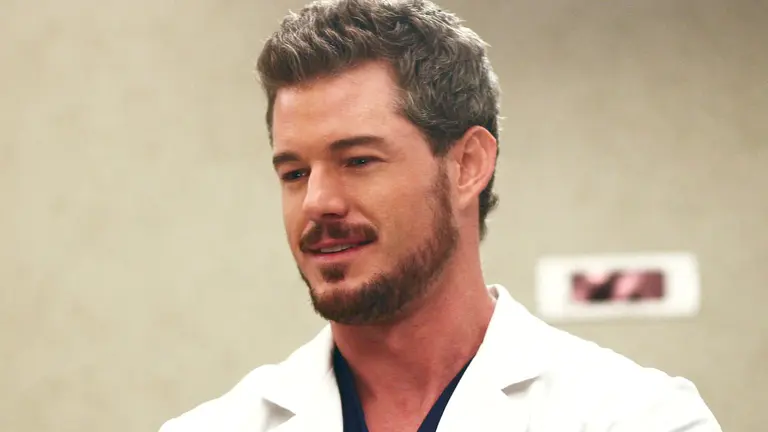
The controversy began when Laura Ann Tull, identifying herself as a former background actor, posted a comment on a tribute shared by Variety through the social platform Threads. In her message, she described Dane as “a bully and a bad person” and alleged that he mocked and mistreated her during productions between 2005 and 2008.
According to her account, she was dealing with cancer and an autoimmune condition during that period and claimed she was targeted despite her visible health struggles. Tull wrote that she chose to speak out now because, in her view, death should not shield a person from accountability for alleged past actions. Her remarks quickly circulated online, spreading across fan communities, industry forums, and entertainment news platforms.
Conflicting Accounts About Departure
Tull also asserted that a complaint she filed directly with producer Shonda Rhimes’ office shortly before 2012 contributed to the actor’s exit from the series. That claim, however, contradicts public statements from that period. At the time, Rhimes explained that the decision stemmed from budget constraints and creative direction rather than disciplinary action.
In later interviews, including a 2024 podcast appearance, Dane himself reflected on the departure, saying he felt he was let go but believed the decision was ultimately a business one rather than personal or punitive. No documentation or corroborating testimony has surfaced to support Tull’s assertion that her complaint influenced the casting change, leaving the claim unverified.
Industry Silence and Growing Debate
Neither ABC nor Shondaland has released an official statement addressing the allegations. The actor’s family has also remained silent, focusing publicly on memorial tributes and messages honoring his life and career.
The lack of institutional response has left the discussion largely in the hands of the public, where opinions are sharply divided. Supporters of Tull argue that background performers often occupy the lowest rung of on-set hierarchies and may feel unable to report mistreatment while a production is active. They contend that speaking out, even years later, can be an important step in acknowledging experiences that might otherwise remain hidden.
Critics, however, question the fairness of raising unverified accusations immediately after someone’s death, when the accused cannot defend themselves or present their version of events. Some commentators have described the timing as ethically troubling, warning that such claims—whether true or not—can permanently shape public perception without due process.
Broader Questions for Hollywood
The situation has revived longstanding conversations in Hollywood about power dynamics on film and television sets, the treatment of background actors, and the mechanisms available for reporting misconduct. Industry observers note that while the entertainment business has made strides in recent years toward improving workplace standards, structural inequalities remain a persistent concern.
Experts in media ethics say the controversy underscores a dilemma: balancing respect for the deceased with the principle that alleged victims should be able to share their experiences. Without corroborating evidence or formal investigations, they note, public audiences are often left to navigate conflicting narratives largely based on personal testimony and reputation.
Legacy in the Balance
For many fans, Dane’s death marked the loss of a performer whose work defined an era of television drama. Tributes from colleagues and viewers have highlighted his talent, humor, and professionalism on set. Yet the emergence of the allegations has complicated the public conversation about his legacy, demonstrating how rapidly narratives surrounding public figures can shift in the digital age.
Whether additional information emerges remains uncertain. For now, the claims exist alongside a body of work that continues to be watched worldwide, leaving observers to grapple with unresolved questions about truth, memory, and the responsibilities that come with telling stories—both on screen and off.
