
Edinburgh Zoo Cancels Penguin Parade Over Bird Flu Fears

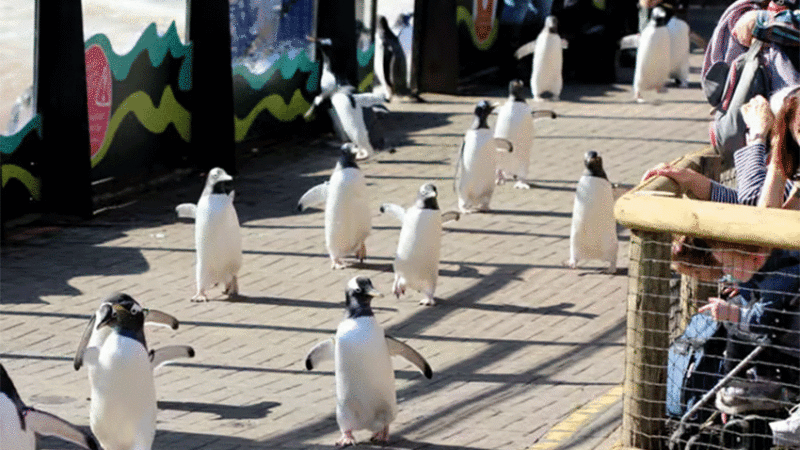
Journey Tribune – Edinburgh Zoo has suspended its much-loved penguin parade amid growing concerns over the spread of avian influenza, dealing another blow to one of the capital’s most popular wildlife attractions.
The attraction, known as the Wee Waddle, has been cancelled indefinitely after zoo officials assessed that the risk of bird flu across the UK has risen in recent months. The decision follows a series of confirmed outbreaks nationwide and renewed warnings from animal health authorities about the heightened threat to captive and wild birds.
The Wee Waddle, which allows visitors to watch penguins amble along a walkway beside their enclosure, typically takes place several times a week and has long been described by the zoo as a firm favourite with families and tourists. Its suspension marks the latest interruption to a tradition that has become closely associated with Edinburgh Zoo’s global reputation.
Jo Elliot, curator at the Royal Zoological Society for Scotland (RZSS), which operates the zoo, said the move was taken out of caution and with animal welfare as the overriding priority.
“Due to an increased risk of avian influenza in the UK, we have decided to postpone our Wee Waddle for the foreseeable future,” she said. “While we know the Wee Waddle is hugely popular with our visitors, protecting all of our animals is always our top priority.”
Ms Elliot added that the zoo has strengthened biosecurity measures across the site in response to the evolving situation. These include an increased number of disinfection points and enhanced hygiene protocols designed to reduce the risk of the virus being brought into contact with the zoo’s bird population.
Avian influenza, commonly referred to as bird flu, poses a serious threat to birds and can spread rapidly through direct contact or contaminated surfaces. Zoos and wildlife centres across the UK have repeatedly tightened restrictions during periods of elevated risk, particularly when outbreaks have been detected nearby.
Since October, there have been 81 confirmed cases of avian influenza across the UK, with four reported in Scotland. Protection zones are currently in place in parts of Midlothian following recent outbreaks at two farms near Penicuik, adding to concerns about potential transmission.
Edinburgh Zoo holds a special place in the history of penguin conservation. It was the first zoo in the world to house and successfully breed penguins, a legacy that dates back more than a century. The penguin parade itself has become one of the zoo’s defining features, known internationally and frequently featured in travel guides and promotional material.
The origins of the parade are said to be accidental. In 1949, a keeper reportedly left the penguin enclosure gate open, allowing a handful of inquisitive birds to wander out and march towards the zoo’s front gate before returning, with the keeper following behind. The impromptu walk quickly captured public imagination and evolved into a daily ritual.
Over time, the parade became a major attraction, drawing large crowds and contributing to the zoo’s reputation as a pioneer in penguin care and engagement. However, its long history has also been punctuated by periods of interruption, most notably during the Covid-19 pandemic, when it was cancelled to discourage crowding.
Following the pandemic, the parade’s return was delayed again due to persistent concerns about avian influenza circulating among wild bird populations in the UK. It was not until September 2024, when the risk level had eased, that the zoo reintroduced a modified version of the tradition under the name Wee Waddle.
Unlike the original parade, the Wee Waddle was designed with additional safeguards. A small, penguin-sized fence was installed to maintain separation between birds and visitors, and the event was scheduled to take place at 2.15pm from Thursday to Sunday. Zoo officials also emphasised that participation was entirely voluntary, with penguins free to remain in their habitat if they chose.
The revised format was widely welcomed by visitors and conservation groups alike, striking a balance between public enjoyment and animal welfare. Its suspension will therefore be a disappointment to many, particularly during the busy winter tourism period.
Despite the cancellation, the zoo has stressed that visitors can still see and learn about the penguins within their enclosure, and that staff continue to monitor the birds closely. Officials have not set a date for the Wee Waddle’s return, saying the situation will be reviewed in line with national guidance and the prevailing risk of avian influenza.
For now, the focus remains firmly on prevention. As bird flu continues to pose challenges for zoos, farms and wildlife organisations across the country, Edinburgh Zoo’s decision reflects a broader effort to limit the spread of the virus and safeguard vulnerable species.
While the absence of the Wee Waddle removes a cherished highlight from the visitor experience, zoo officials say it is a necessary step to ensure that one of Scotland’s most iconic animal populations remains safe and healthy for the future.
