
Achieve Hormone Balance for Women: Tips & Strategies


Do you often feel like your body is working against you? Many people struggle with fluctuating energy levels, mood swings, or sleep issues that disrupt their daily lives. Understanding the foundation of your internal chemistry is the first step toward feeling like yourself again.
Prioritizing hormonal health allows you to regain control over your physical and emotional state. When your systems function in harmony, you experience better focus, improved moods, and sustained vitality throughout the day.
This guide explores practical methods to support women’s health through simple lifestyle adjustments. We will cover nutrition, stress management, and restorative habits that foster lasting hormone balance women need to thrive. By implementing these strategies, you can build a sustainable routine that nurtures your long-term wellness.
Key Takeaways:
- Identify common signs of internal chemical shifts.
- Learn how nutrition impacts your daily energy.
- Discover effective ways to manage stress naturally.
- Create a personalized plan for better vitality.
Understanding the Foundations of Hormonal Health
Understanding the foundations of hormonal health is crucial for maintaining balance and overall health. Hormonal health is a complex system that affects various aspects of a woman’s life, from energy levels and mood to reproductive health and overall well-being.
The female body is regulated by a delicate balance of hormones, which are chemical messengers produced by glands in the endocrine system. These hormones influence numerous bodily functions, making their balance crucial for health.

The Role of Key Hormones in the Female Body
Several key hormones play significant roles in the female body. Estrogen, for example, is crucial for reproductive health and bone density. Progesterone prepares the uterus for pregnancy and helps maintain pregnancy. Thyroid hormones regulate metabolism, energy levels, and growth.
Other hormones like insulin, cortisol, and testosterone also contribute to overall health by regulating blood sugar levels, stress response, and various physiological processes, respectively. Understanding the role of these hormones is essential for identifying any imbalances.
Common Signs of Hormonal Imbalance
Hormonal imbalances can manifest in various ways, making it essential to recognize the common signs. Symptoms of hormonal imbalance may include irregular menstrual cycles, mood swings, weight gain or loss, fatigue, and changes in skin and hair.
Some women may experience hot flashes, night sweats, or vaginal dryness, particularly during menopause or premenopause. Recognizing these symptoms is the first step towards addressing hormonal health issues.
- Irregular menstrual cycles or amenorrhea
- Mood swings or emotional changes
- Unexplained weight changes
- Fatigue or low energy levels
- Skin and hair changes
Nutrition and Lifestyle for Hormone Balance in Women
Hormone balance in women can be supported and enhanced through specific nutritional strategies and lifestyle adjustments. A comprehensive approach that incorporates dietary changes, physical activity, and other lifestyle modifications can significantly impact hormonal health.
Prioritizing Nutrient-Dense Whole Foods
Consuming a diet rich in whole, nutrient-dense foods is crucial for maintaining hormone balance. These foods provide essential vitamins, minerals, and other nutrients that support the endocrine system.
The Importance of Healthy Fats and Fiber
Healthy fats, found in foods like avocados, nuts, and olive oil, are vital for the production of hormones. Similarly, a high-fiber diet, which includes plenty of fruits, vegetables, and whole grains, supports the body’s ability to regulate blood sugar and insulin levels, thereby influencing hormonal balance.
Some key sources of healthy fats and fiber include:
- Avocados
- Nuts and seeds
- Olive oil
- Whole grains like quinoa and brown rice
- Fruits and vegetables

Managing blood sugar levels is critical for hormonal stability. Consuming foods with a low glycemic index and being mindful of carbohydrate intake can help regulate blood sugar and support hormone balance.
The Impact of Regular Physical Activity
Regular physical activity is another crucial element in achieving and maintaining hormone balance. Exercise can influence hormone levels, improve insulin sensitivity, and enhance overall well-being.
Choosing the Right Intensity for Your Cycle
The intensity and type of physical activity can be adjusted based on the menstrual cycle to maximize benefits. For example, during certain phases of the cycle, lower-intensity activities like yoga or walking may be more beneficial, while during other phases, more intense workouts may be appropriate.
A sample weekly physical activity plan might include:
| Day | Activity | Intensity |
|---|---|---|
| Monday | Yoga | Low |
| Wednesday | Brisk Walking | Moderate |
| Friday | Strength Training | High |
Managing Stress and Sleep Patterns
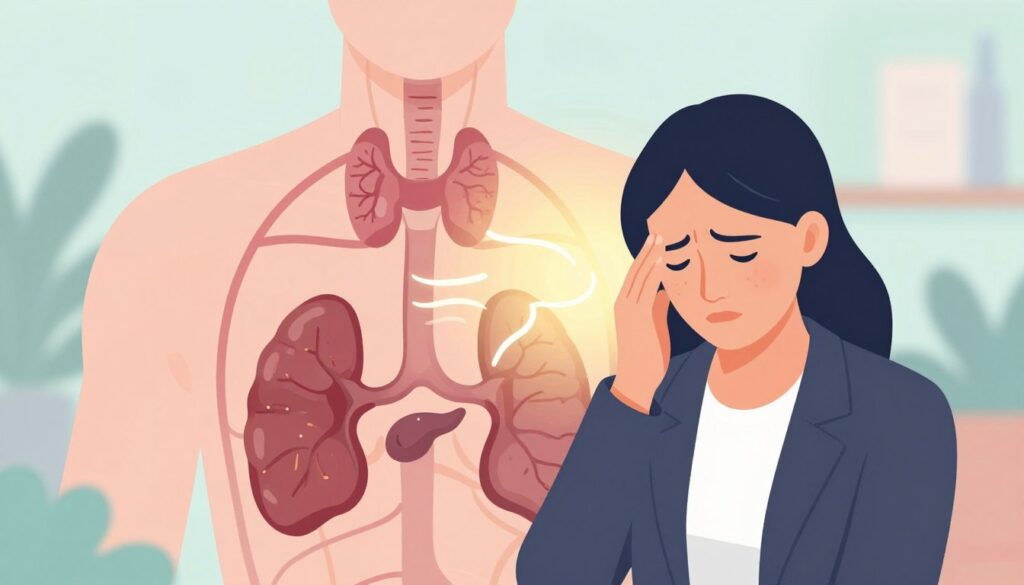
The delicate balance of hormones in the female body is heavily impacted by stress management and sleep quality. When stress levels are high and sleep is inadequate, the body’s endocrine system can become disrupted, leading to hormonal imbalances.
How Cortisol Affects Your Endocrine System
Cortisol, often referred to as the “stress hormone,” plays a significant role in the body’s response to stress. Elevated cortisol levels can disrupt the balance of other hormones, including insulin, thyroid hormones, and estrogen. This disruption can lead to a range of symptoms, from weight gain and mood swings to more severe health issues like diabetes and osteoporosis.
Effective Stress Reduction Techniques
Managing stress is crucial for maintaining hormonal balance. Effective stress reduction techniques can help mitigate the negative impact of cortisol on the endocrine system.
- Exercise regularly to reduce stress and improve mood
- Practice relaxation techniques, such as meditation or yoga
- Engage in hobbies and activities that bring joy and relaxation
Mindfulness and Breathwork Practices
Mindfulness and breathwork are powerful tools for reducing stress and promoting relaxation. These practices can help lower cortisol levels and improve overall hormonal health.
Mindfulness involves being present in the moment, paying attention to thoughts and feelings without judgment. Breathwork, on the other hand, focuses on conscious breathing techniques to calm the mind and body.
Optimizing Sleep Hygiene for Hormonal Recovery
Sleep is essential for hormonal recovery and balance. During sleep, the body repairs and regenerates tissues, builds bone and muscle, and strengthens the immune system.
To optimize sleep hygiene, establish a consistent sleep schedule, create a relaxing bedtime routine, and avoid screens and stimulating activities before bedtime.
- Maintain a dark, quiet sleep environment.
- Avoid caffeine and heavy meals close to bedtime
- Limit exposure to screens for at least an hour before sleep
Identifying When to Seek Professional Help
Recognizing the signs that indicate a need for medical intervention can be a turning point in managing hormonal health. While lifestyle adjustments and self-care practices are foundational, there are instances where professional guidance is not only beneficial but necessary.
Recognizing Chronic Symptoms That Require Medical Attention
Chronic symptoms such as persistent fatigue, mood swings, or irregular menstrual cycles can significantly impact daily life. If these symptoms persist despite attempts to manage them through diet, exercise, and stress reduction, it may be time to consult a healthcare provider.
Some specific indicators that medical attention might be required include:
- Severe or debilitating symptoms that interfere with daily activities
- Symptoms that worsen over time or do not respond to self-care measures
- Unusual or unexplained changes in physical or emotional health
Navigating Conversations with Healthcare Providers
When seeking professional help, being prepared for conversations with healthcare providers can make a significant difference. It’s helpful to keep a symptom journal to track when symptoms occur, their severity, and any factors that seem to trigger or relieve them.
Preparing for Your Hormone Panel Consultation
Before undergoing a hormone panel consultation, there are several steps you can take to prepare:
- Gather any relevant medical history, including previous test results and diagnoses.
- List your symptoms and when they started.
- Note any medications or supplements you are currently taking.
- Prepare a list of questions to ask your healthcare provider.
By being informed and prepared, you can have a more productive conversation with your healthcare provider, leading to a more accurate diagnosis and effective treatment plan.
Conclusion
Achieving hormone balance is crucial for overall well-being in women. By understanding the foundations of hormonal health and making informed lifestyle changes, women can alleviate symptoms of hormonal imbalance and improve their quality of life.
Nutrition and regular physical activity play a significant role in maintaining hormone balance. A diet rich in whole foods and a consistent exercise routine can help regulate key hormones in the female body.
Managing stress and optimizing sleep hygiene are also vital components of a holistic approach to hormone balance. By incorporating effective stress reduction techniques and prioritizing sleep, women can support their endocrine system and promote hormonal recovery.
By implementing these lifestyle changes for hormonal balance, women can take control of their hormonal health and reduce the risk of chronic symptoms. Seeking professional help when needed is also crucial in maintaining hormone balance.
By adopting a comprehensive approach to hormone balance, women can improve their overall health and well-being, leading to a more balanced and fulfilling life.
FAQ
What are the most common signs that my hormones might be out of balance?
Many women experience a range of symptoms that signal a shift in hormonal health, including persistent fatigue, sudden weight gain, and unpredictable mood swings. You may also notice physical changes like adult acne, thinning hair, or irregular menstrual cycles. Recognizing these red flags early allows you to take proactive steps toward restoring your body’s natural equilibrium.
Why are healthy fats and fiber prioritized in a hormone-friendly diet?
Healthy fats, such as those found in Avocados from Mexico, wild-caught salmon, and walnuts, serve as the essential building blocks for hormone production, including estrogen and progesterone. Meanwhile, dietary fiber from leafy greens and chia seeds helps the liver process and eliminate excess hormones, preventing issues like estrogen dominance and supporting a healthy gut microbiome.
How does blood sugar management influence my reproductive hormones?
When blood sugar levels spike and crash, it triggers a surge in insulin, which can signal the ovaries to produce excess testosterone. This imbalance is often a contributing factor to conditions like Polycystic Ovary Syndrome (PCOS). By pairing carbohydrates with proteins and healthy fats—like eating an apple with almond butter—you can stabilize your glucose levels and maintain hormonal harmony.
Can I continue high-intensity workouts throughout my entire menstrual cycle?
While staying active is vital, your body’s needs change across your cycle. During the follicular phase, you may have the energy for high-intensity interval training (HIIT) or heavy lifting. However, during the luteal phase, your body is more sensitive to stress; switching to lower-intensity movement like Pilates or a walk in the park can prevent a spike in cortisol that might otherwise disrupt your cycle.
How does chronic stress specifically impact the endocrine system?
Under chronic stress, the adrenal glands prioritize the production of cortisol, the “stress hormone,” over sex hormones. This can lead to a “hormone steal” effect, where your body lacks the resources to produce enough progesterone, potentially leading to anxiety and sleep disturbances. Incorporating daily mindfulness through apps like Calm or practicing deep diaphragmatic breathing can help signal to your nervous system that it is safe to return to a balanced state.
