
Why the 2026 Winter Paralympics Matter


Journey Tribune – The 2026 Winter Paralympic Games officially open on Friday in northern Italy, launching ten days of elite competition that will bring together hundreds of athletes with disabilities from around the globe. The event begins in the historic city of Verona, where the opening ceremony takes place inside a centuries-old Roman amphitheater — the same iconic venue that hosted the closing celebration of the Winter Olympics just weeks earlier.
This year’s Games carry special significance. Milan-Cortina 2026 marks the 50th anniversary of the Winter Paralympics, a milestone that highlights how far the movement has evolved since its modest beginnings. Held every four years shortly after the Winter Olympics and typically in the same host locations, the Paralympics have grown into one of the world’s most important sporting events for athletes with disabilities.
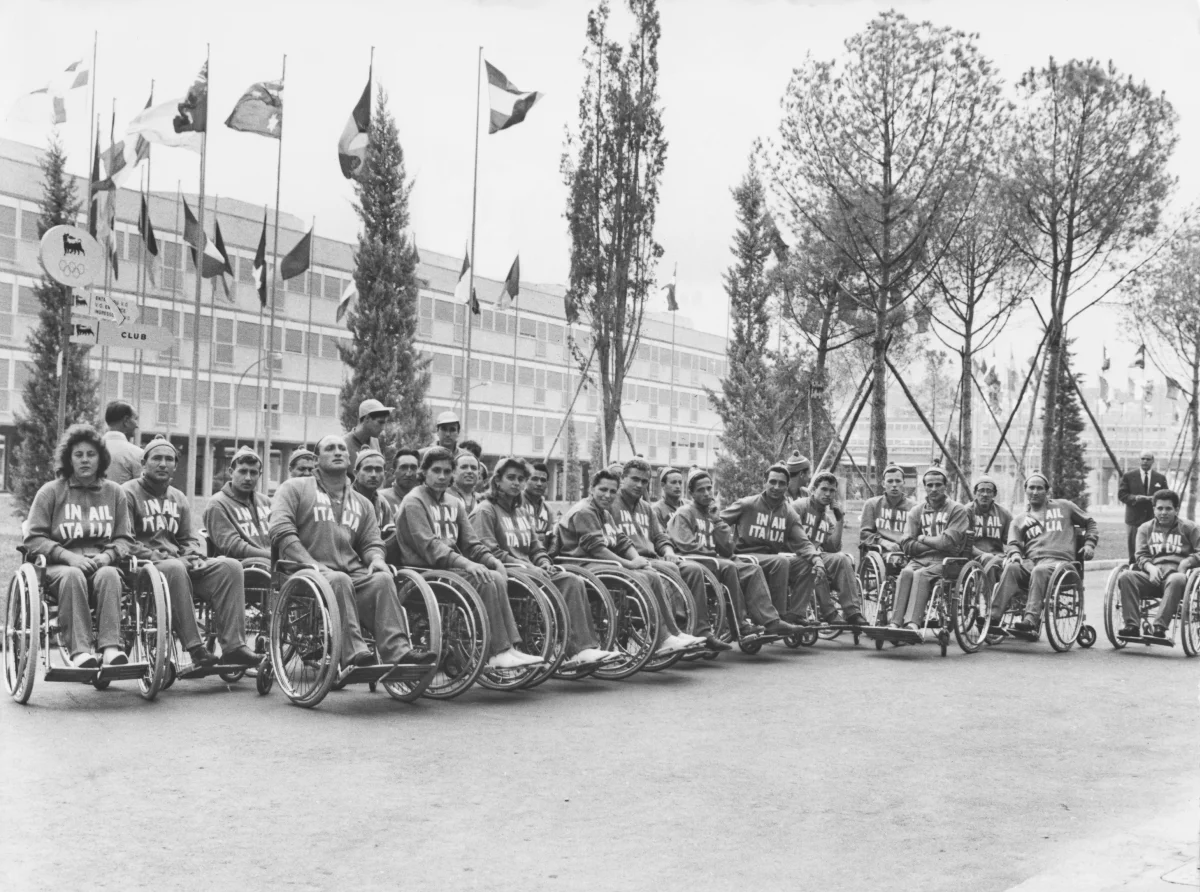
Italy has hosted the Paralympic movement before. The country staged the very first Paralympic Games in Rome in 1960 and later hosted the Winter edition in Turin in 2006. Now, more than six decades after that inaugural event, the Games return to Italy for another historic chapter.
Competitions Spread Across Northern Italy
Like the Winter Olympics earlier this year, Paralympic events will take place across several venues throughout northern Italy. Major competition hubs include Milan, the alpine resort town of Cortina d’Ampezzo, and Val di Fiemme in the Dolomite mountains.
Over the course of ten days, approximately 665 athletes will compete for 79 medal events — the largest medal program in Winter Paralympic history. Competitors represent dozens of national teams and will take part in six sports:
- Para Alpine skiing
- Para biathlon
- Para cross-country skiing
- Para ice hockey
- Para snowboard
- Wheelchair curling
The United States enters the Games with a delegation of 68 athletes, along with four guides who assist visually impaired competitors. The American team is among the largest in the competition, second only to China.
China dominated the medal standings at the 2022 Winter Paralympics in Beijing, while the United States remains the most successful nation in the overall history of the Winter Games. Team USA will be looking to add to that legacy this year.
Opening Ceremony and Broadcast Coverage
Elsa/Getty Images
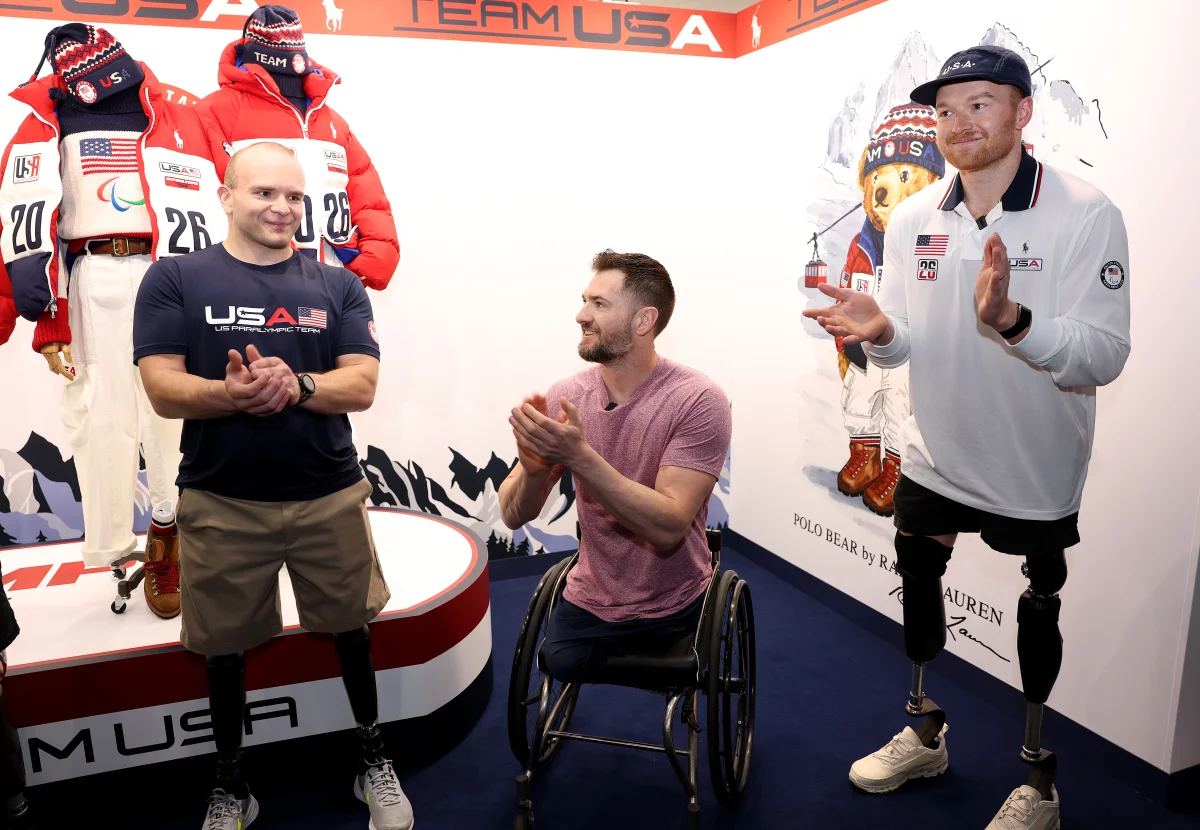
The opening ceremony sets the tone for the Games. The event, themed “Life in Motion,” blends sport, culture and performance. Music will play a central role in the celebration, including appearances by renowned performers such as drummer Stewart Copeland of The Police and Italian electronic group Meduza.
Keystone/Hulton Archive
As tradition dictates, athletes from the 56 participating delegations will march into the arena during the Parade of Nations. The United States flag will be carried by two highly decorated Paralympians: sled hockey star Josh Pauls and Alpine skiing champion Laurie Stephens.
For viewers, coverage begins Friday afternoon. The ceremony will be broadcast live on NBC and streamed online via Peacock, with additional primetime coverage scheduled later in the evening.
Throughout the Games, NBC plans to air around eight hours of television coverage, including special primetime broadcasts during both weekends. However, the most comprehensive access will come through streaming platforms. Peacock is set to offer live coverage of every sport and event, as well as full replays and multi-view options for fans who want to follow several competitions simultaneously.
While Paralympic broadcasts have historically received less attention than the Olympics, audiences have grown significantly in recent years. The Beijing 2022 Winter Paralympics and the Paris 2024 Summer Paralympics both drew record viewership worldwide.
Athletes and advocates say increased visibility is essential for the continued growth of the movement.
Growing Visibility for Para Sports
Linnea Rheborg/Getty Images
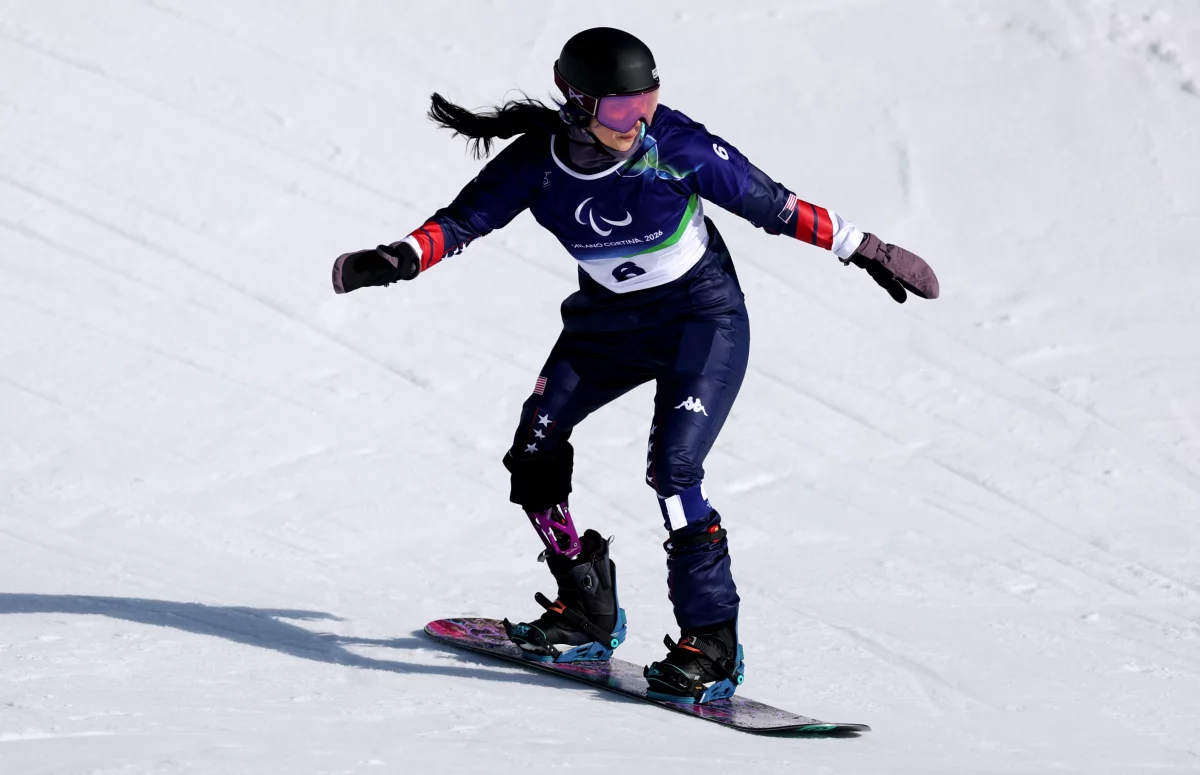
Among those pushing for broader exposure is American snowboarder Brenna Huckaby, a four-time Paralympic medalist. She recently helped launch Culxtured, a media collective dedicated to amplifying coverage of adaptive sports and the athletes who compete in them.
Huckaby has frequently spoken about how representation can shape public perception and inspire future competitors.
For many athletes with disabilities, seeing someone succeed in elite sport can change how they view their own possibilities. Increased coverage not only helps fans follow competitions but also creates opportunities for athletes to build careers, sponsorships, and platforms beyond the Games themselves.
Rivalries and Athletes to Watch
Michael Steele/Getty Images
Several storylines are expected to dominate headlines throughout the Milan-Cortina Paralympics.
One of the most intense rivalries will unfold on the ice between the United States and Canada in para ice hockey, often called sled hockey. The U.S. team is pursuing a remarkable fifth consecutive gold medal, which would extend its dominance in the sport.
Canada remains its most formidable opponent. The two teams have met in numerous championship games over the years, and another showdown in the gold medal match remains a strong possibility.
The American roster features a mix of veteran leaders and experienced scorers. Captain Josh Pauls anchors the team alongside players such as Declan Farmer, the program’s all-time leading scorer, forward Brody Royba,l and goaltender Jen Lee.
Beyond hockey, several American athletes are attempting to defend titles they won four years ago in Beijing.
Snowboarder Brenna Huckaby, who captured two gold medals in 2022, returns as a favorite in her events. Meanwhile, one of the most decorated Paralympians in U.S. history is aiming for yet another historic performance.
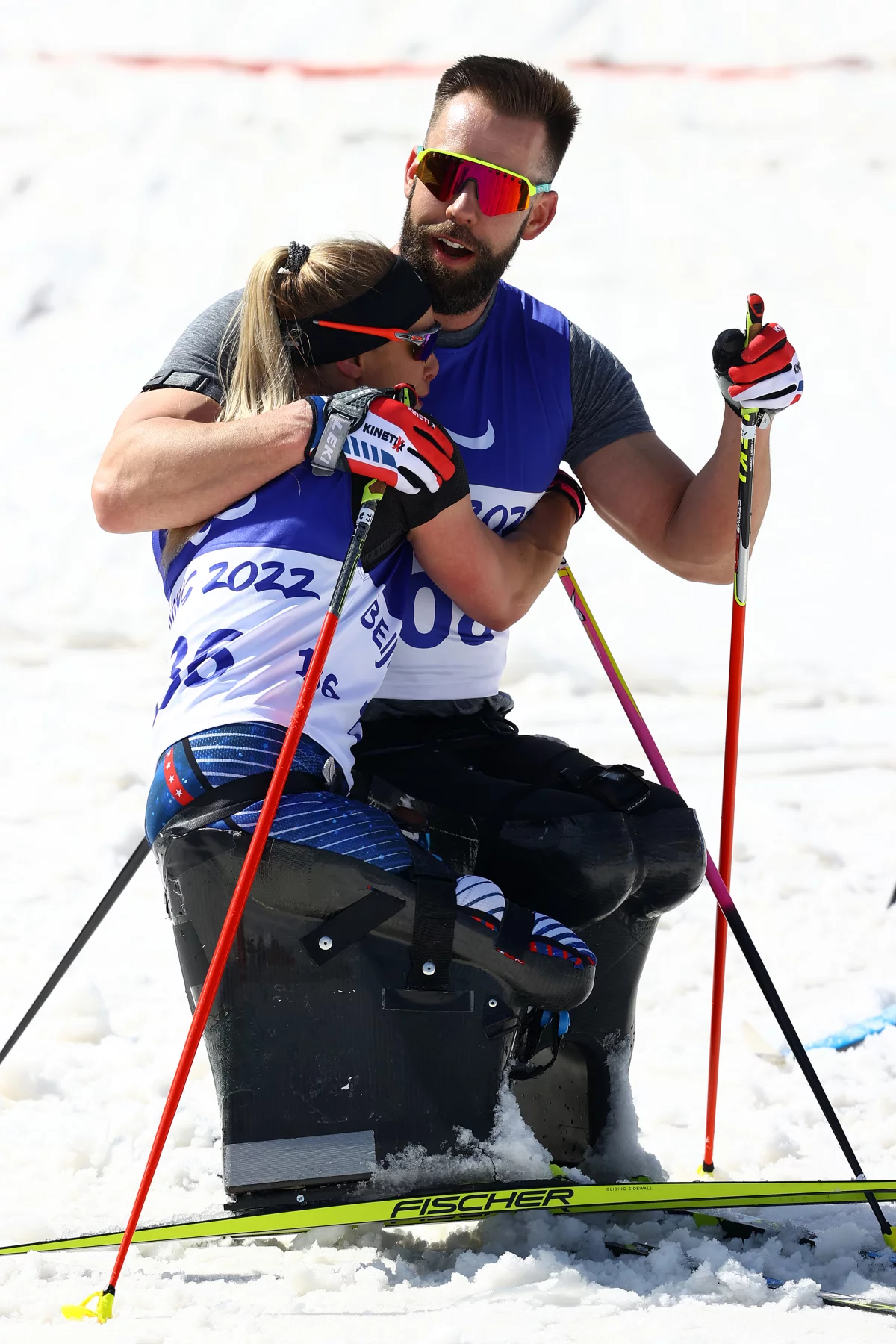
Oksana Masters, who competes in both para biathlon and cross-country skiing, earned seven medals during the Beijing Games alone. Her career total currently stands at 19 Paralympic medals, making her the most decorated Winter Paralympian in American history. Despite dealing with injuries and a recent concussion, she hopes to add to that tally in Italy.
Masters’ fiancé, Aaron Pike, will also compete. Pike — a multi-time world medalist in para biathlon — is chasing the first Paralympic medal of his career in what will be his eighth appearance at the Games.
Rising Stars Make Their Debut
Alongside established champions, a new generation of athletes will experience the Paralympics for the first time.
Several young Americans are making their debut, including teenage Alpine skiers Meg Gustafson and Audrey Crowley. Snowboarder Kate Delson and a group of new sled hockey players — Kayden Beasley, Brett Bolton, Liam Cunningh, and Landon Uthke — are also stepping onto the Paralympic stage for the first time.
Their performances could signal the next wave of talent shaping the future of adaptive winter sports.
New Events and Early Competition
Mattia Ozbot/Getty Images
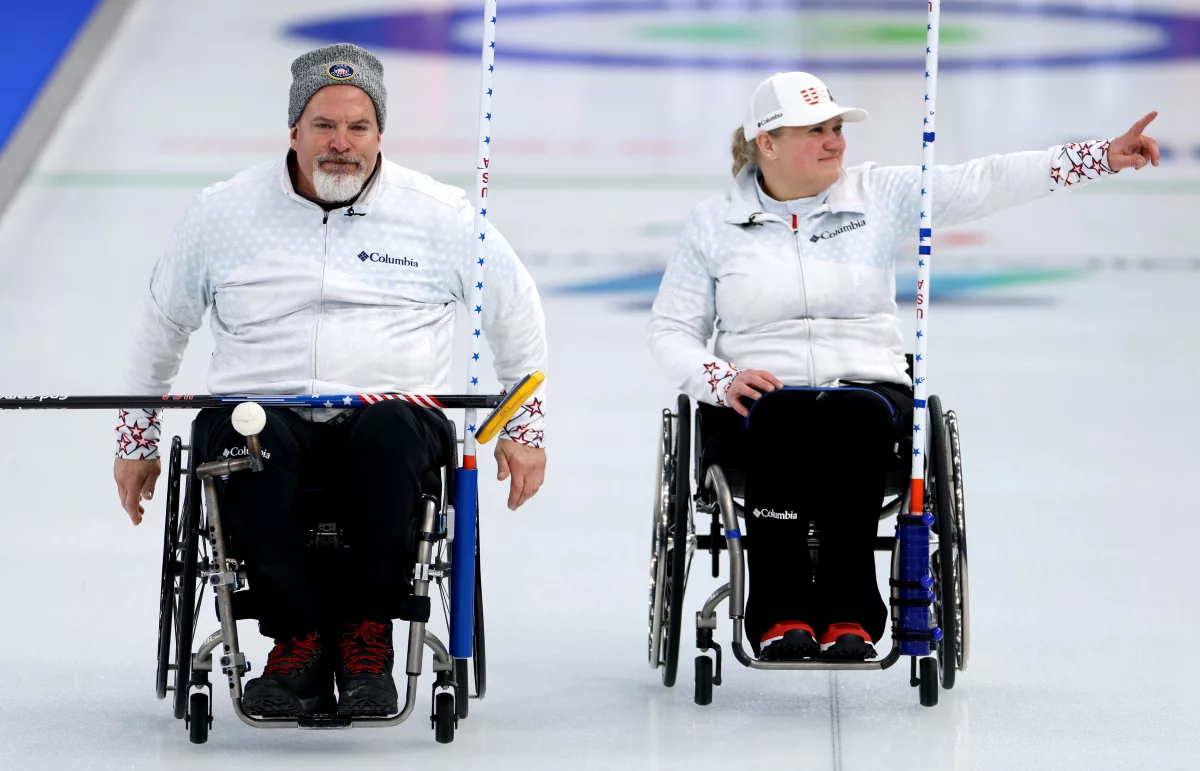
Competition in wheelchair curling began even before the opening ceremony. The sport features a demanding schedule, with more than 80 matches planned during the tournament.
This year also introduces a new event: mixed doubles wheelchair curling. The United States team includes Steve Emt and Laura Dwyer, who have already secured early victories in round-robin play.
Curling has even produced its own unusual subplot — reports surfaced that two stones were stolen from the Cortina venue before competition began. Officials quickly replaced the equipment, but the incident added a strange twist to the opening days of the Games.
A Complex Global Backdrop
The Paralympics are unfolding amid heightened geopolitical tensions around the world.
Several international conflicts are ongoing, including wars in Ukraine and parts of the Middle East. These developments have affected participation in the Games.
Iran will not be represented after its lone qualified athlete was unable to travel safely due to escalating regional conflict. Meanwhile, athletes from Russia and Belarus have been allowed to compete under their national flags — a controversial decision given the ongoing war in Ukraine.
The move has prompted protests from some European nations, and several governments have announced that they will boycott the opening ceremony in response.
From Hospital Competition to Global Movement
Despite the political backdrop, the Paralympics remain rooted in a powerful history of resilience and inclusion.
The movement began in 1948 at Stoke Mandeville Hospital in England, where a small sporting competition for World War II veterans with spinal cord injuries was organized alongside the London Olympics. Known as the Stoke Mandeville Games, the event featured wheelchair archery and aimed to support rehabilitation through sport.
That experiment eventually evolved into the Paralympic Games, which debuted in Rome in 1960 with hundreds of athletes from multiple countries.
Winter Paralympic competition began later, in 1976 in Sweden, when fewer than 200 athletes competed in just two sports: Alpine skiing and cross-country skiing.
Today, the Paralympics have become a global showcase of athletic excellence, iinnovationn and determination.
Athletes compete in categories designed to ensure fairness based on the type and severity of disability. Depending on the sport, competitors may participate while standing, ssittingng or with assistance from guides.
Adaptive equipment also shapes each event. Para ice hockey players race across the ice using sleds and two short sticks instead of one. In wheelchair curling, sweeping — a signature part of the Olympic version — is not allowed.
These differences mean Paralympic sports are not simply modified versions of Olympic competition. They have developed their own strategies, techniq,ues and styles of play.
The Future of the Paralympic Movement
For athletes and organizers alike, the goal extends beyond medals.
Many competitors hope that increased visibility will inspire more people with disabilities to participate in sports and encourage broader public engagement with adaptive athletics.
As fans tune in over the next ten days, the Milan-Cortina Paralympics will offer more than dramatic finishes and record-breaking performances. They will also showcase a global community built around determination, innovation, and the belief that sport should be accessible to everyone.
