
Mountains of Sumatra: A Complete Travel Guide

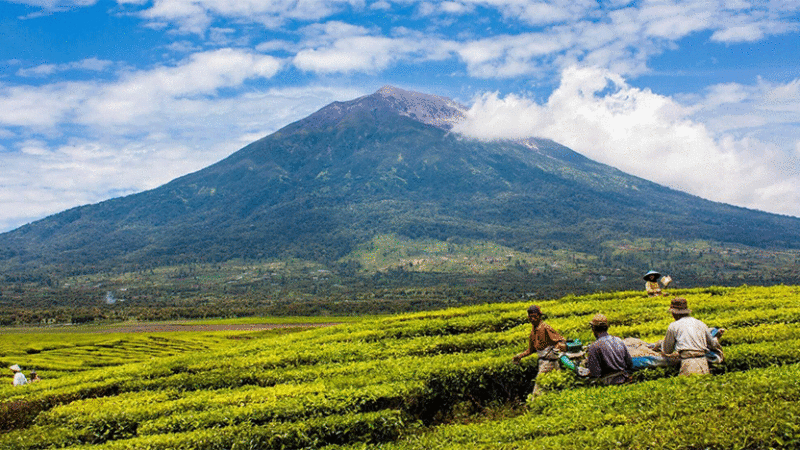
Journey Tribune – Sumatra, the sixth-largest island in the world, is one of Indonesia’s most spectacular destinations for mountain lovers, hikers, and eco-tourists. Stretching along the western side of Indonesia, Sumatra is home to the Bukit Barisan Mountain Range, a chain of volcanic and non-volcanic mountains offering breathtaking landscapes, rich biodiversity, and deep cultural experiences.
This blog provides a comprehensive guide to major mountains in Sumatra, including hiking information, tour guide details, best seasons to visit, safety tips, permits, accommodation, and other essential travel information needed by tourists.
1. Mount Kerinci (Gunung Kerinci)
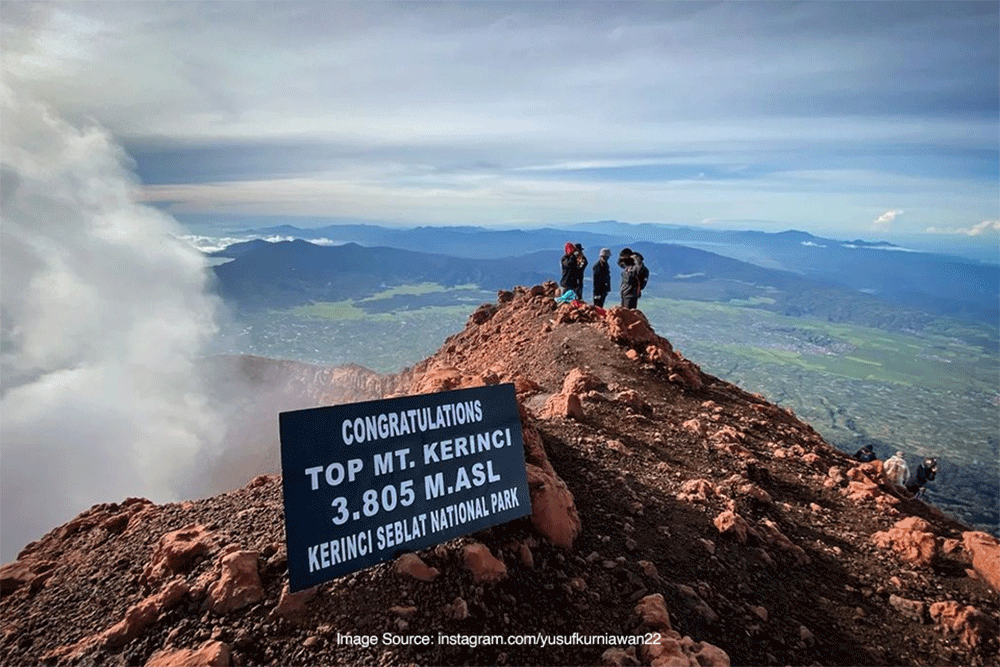
Location: Jambi – West Sumatra Border
Height: 3,805 meters (Highest volcano in Indonesia)
Overview
Mount Kerinci is the tallest volcano in Indonesia and the highest mountain in Sumatra. Located within Kerinci Seblat National Park, it offers dramatic views of volcanic craters, dense rainforests, and rare wildlife, including Sumatran tigers and hornbills.
Hiking & Routes
- Starting Point: Kersik Tuo Village
- Duration: 2–3 days
- Difficulty: Challenging (recommended for experienced hikers)
Tour Guide Information
- Local certified guides are mandatory
- Average cost: USD 20–40 per day
- Guides can be arranged via local homestays or national park offices
Best Time to Visit
- Dry season: June – September
Permits
- Required from Kerinci Seblat National Park
- Registration at the park office before hiking
Accommodation
- Homestays in Kersik Tuo Village
- Simple lodges and guesthouses are available
2. Mount Leuser (Gunung Leuser)
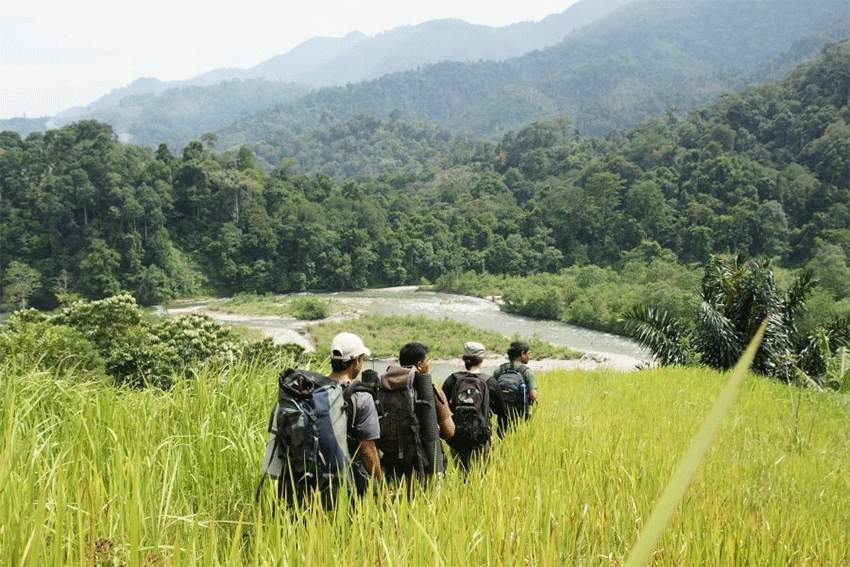
Location: Aceh – North Sumatra
Height: 3,466 meters
Overview
Mount Leuser is part of the Leuser Ecosystem, a UNESCO-listed rainforest area. It is famous for its pristine jungle and endangered species, including orangutans, elephants, and rhinos.
Hiking & Routes
- Starting Point: Ketambe or Agusan Village
- Duration: 5–10 days (expedition-style trekking)
- Difficulty: Very challenging
Tour Guide Information
- Guides are required and highly specialized
- Cost: USD 30–60 per day
- Often arranged through eco-tour operators in Aceh or Medan
Best Time to Visit
- June – August
Permits
- National park permit required
- Expedition planning recommended
Accommodation
- Eco-lodges in Ketambe
- Camping during the trek
3. Mount Marapi (Gunung Marapi)
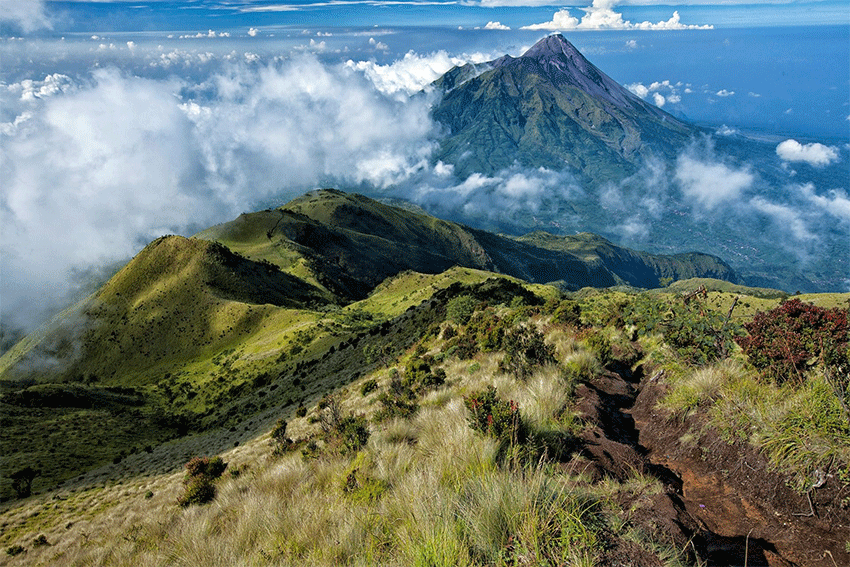
Location: West Sumatra
Height: 2,891 meters
Overview
Mount Marapi is one of Sumatra’s most active volcanoes and a popular hike among locals due to its accessibility and scenic crater views.
Hiking & Routes
- Starting Point: Koto Baru Village
- Duration: 1–2 days
- Difficulty: Moderate
Tour Guide Information
- Guides are recommended but not mandatory
- Cost: USD 15–25 per day
Best Time to Visit
- May – September
Safety Note
- Always check the volcanic activity status before climbing
4. Mount Sinabung (Gunung Sinabung)
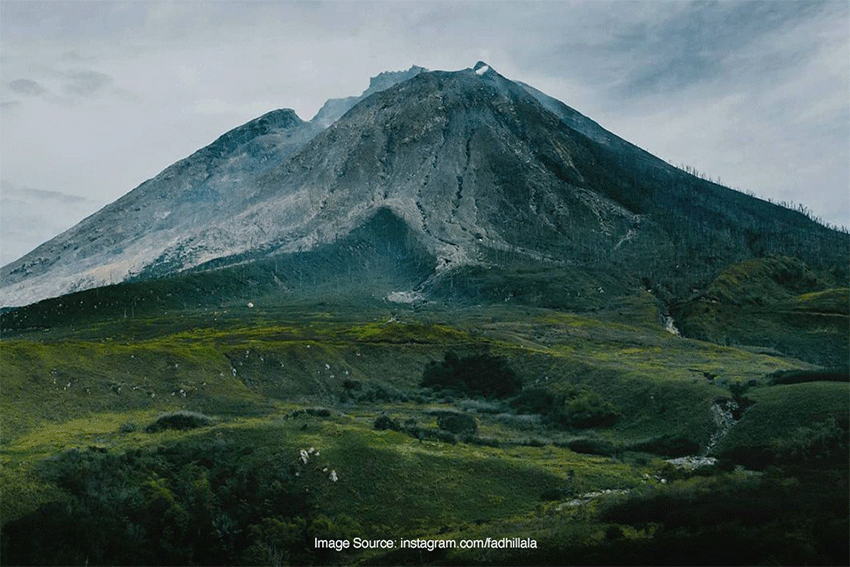
Location: North Sumatra (Karo Highlands)
Height: 2,460 meters
Overview
Mount Sinabung is an active volcano that reawakened in 2010. While direct hiking is often restricted, the surrounding region offers stunning volcanic landscapes.
Tour Guide Information
- Guides available for viewpoint tours only
- Cost: USD 20–30 per day
Best Activities
- Photography
- Cultural tours in Karo villages
- Volcanic observation from safe zones
5. Mount Dempo (Gunung Dempo)
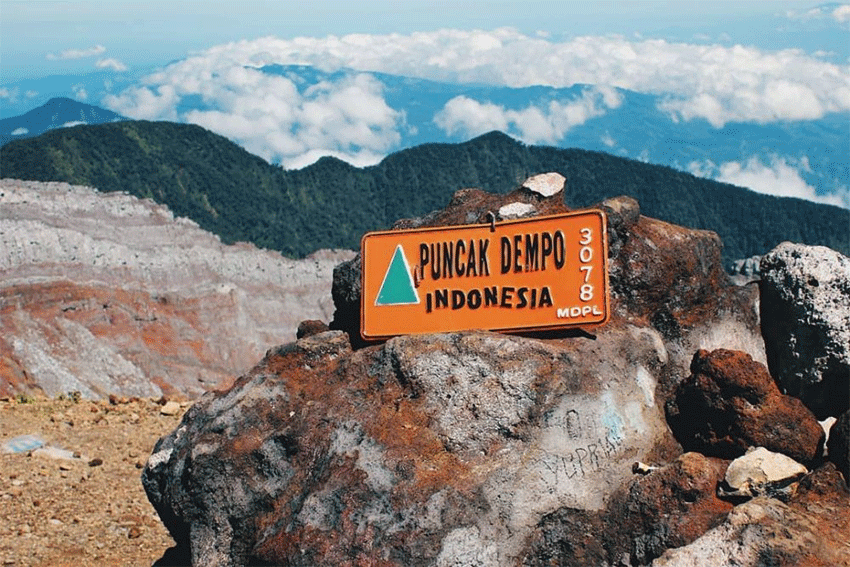
Location: South Sumatra (Pagar Alam)
Height: 3,173 meters
Overview
Mount Dempo is known for its beautiful crater lakes and tea plantations. It is less crowded than other major peaks.
Hiking & Routes
- Starting Point: Tea plantation area near Pagar Alam
- Duration: 2 days
- Difficulty: Moderate
Tour Guide Information
- Local guides recommended
- Cost: USD 15–30 per day
General Travel Information for Tourists
Best Time to Visit Sumatra Mountains
- Dry Season: May – September
- Avoid the rainy season due to landslides and slippery trails
Essential Gear
- Hiking boots
- Rain jacket
- Warm clothing (temperatures can drop below 5°C)
- Headlamp & first aid kit
Safety Tips
- Always hike with a guide
- Register at local authorities
- Monitor volcanic and weather updates
Cultural Etiquette
- Respect local customs and sacred sites
- Dress modestly in villages
- Ask permission before photographing locals
Transportation
- Major access cities: Medan, Padang, Jambi, Palembang
- Continue by car or local transport to the mountain villages
Conclusion
Sumatra’s mountains offer an extraordinary combination of adventure, biodiversity, and cultural richness. From the towering Mount Kerinci to the deep jungles of Mount Leuser, each mountain provides a unique experience for travelers seeking something beyond ordinary tourism.
With proper planning, local tour guides, and respect for nature and culture, exploring the mountains of Sumatra can be a life-changing journey.
Happy hiking and safe travels!
