
Discover the Best Premium Olive Oils & Balsamic Vinegars

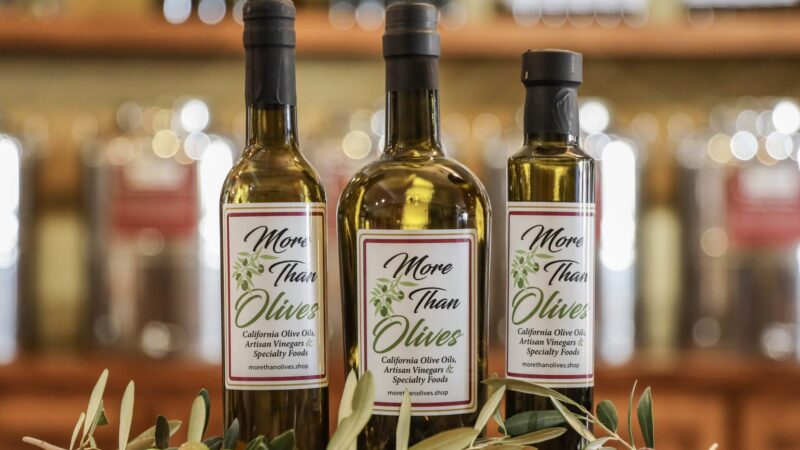
Discover the Best Premium Olive Oils & Balsamic Vinegars — culinary game-changers that can completely transform your cooking experience. These gourmet essentials are no longer reserved for professional chefs; instead, they’ve become must-haves for home cooks who value flavor, quality, and authenticity. Whether you’re drizzling them over roasted vegetables or crafting a fresh vinaigrette, choosing high-quality olive oils along with aged balsamic vinegar can significantly elevate both the taste and nutritional value of your meals.
In this guide, you’ll explore the best premium olive oils and balsamic vinegars for 2025. From robust, peppery oils to thick, syrupy balsamic aged to perfection, we’ll help you find the perfect match for your kitchen.
Why Choose Premium Olive Oils and Balsamic Vinegars
Quality matters when it comes to oils and vinegar. Lower-grade products are often diluted or chemically treated, lacking the health benefits and vibrant flavors of their premium counterparts.
Premium olive oils are typically cold-pressed, unrefined, and made from hand-picked olives. This preserves the antioxidants and monounsaturated fats that promote heart health and reduce inflammation.
Balsamic vinegar of high quality is aged in wooden barrels, delivering complex flavors with a balance of acidity and sweetness. They often contain no added sugar, color, or caramel, making them a healthier alternative to supermarket versions.
Premium Olive Oil and Balsamic Vinegar: A Practical Comparison Guide
Choosing a premium olive oil or balsamic vinegar is easier when you compare products by their intended use rather than price or packaging alone. A bold finishing oil serves a different purpose from an everyday cooking oil, just as a concentrated balsamic condiment differs from a lighter vinegar intended for salad dressings.
The following comparison summarizes the products featured in this guide using their described characteristics and suggested culinary applications. It is a product-selection guide, not a ranking based on independent laboratory testing or a blind taste test.
Product Comparison at a Glance
| Product | Main Characteristics | Best Culinary Uses | What to Consider |
|---|---|---|---|
| Brightland The Duo | Two extra virgin olive oils with different flavor profiles | Salads, pasta, soups, and finishing dishes | Useful for cooks who want separate oils for different applications |
| Graza Drizzle & Sizzle | Finishing oil paired with an everyday cooking oil | Drizzle for finishing; Sizzle for sautéing and roasting | A practical choice for separating finishing and cooking uses |
| Oliviers & Co. Grand Cru Balsamic | Described as a rich, aged balsamic condiment | Aged cheese, strawberries, and grilled meats | Check the exact product name, ingredients, and aging claims before purchasing |
| The Olive Oil Grove Organic EVOO | Presented as an organic extra virgin olive oil | Hummus, dips, salads, and other uncooked dishes | Verify organic certification and harvest information on the specific bottle |
| Acetaia Leonardi 15-Year Balsamic | Presented as an aged balsamic condiment | Cheese, meat glazes, and desserts | Confirm the exact product variant and whether the stated aging period applies to the bottle being sold |
How to use this table: If you primarily prepare salads and cold dishes, prioritize an olive oil whose flavor you enjoy without heating. If you frequently sauté vegetables or roast ingredients, consider an oil intended for everyday cooking. For balsamic vinegar, choose according to the balance of sweetness and acidity that best complements your recipes.
How to Choose the Right Olive Oil
Not every extra virgin olive oil tastes the same. Olive variety, harvest timing, freshness, and production methods can influence the final flavor. Some oils have grassy or herbal notes, while others taste fruitier, nuttier, or more peppery.
Before purchasing, consider these four factors:
- Product category: Look for the extra virgin designation when you want an unrefined olive oil with a fresh, distinctive flavor. The International Olive Council defines extra virgin olive oil using chemical and sensory criteria, including a free acidity limit of 0.8 grams per 100 grams.
- Freshness: Check the harvest date when available, along with the best-before date. A recent harvest can help you assess freshness, although storage conditions and the quality of the olives also matter.
- Packaging: Dark glass, tins, or other suitable light-protective packaging can help reduce exposure to light. Store the bottle away from heat and direct sunlight, and close it after use.
- Intended use: A peppery, aromatic oil may be especially enjoyable as a finishing drizzle, while a more moderately flavored oil may suit a wider range of everyday recipes.
For further details on olive oil categories and quality standards, consult the International Olive Council and the European Commission’s olive oil overview.
How to Choose Balsamic Vinegar
Balsamic vinegar products can differ substantially in sweetness, acidity, thickness, ingredients, and production methods. A thicker texture does not automatically mean a product is more authentic or better suited to every dish.
Use these checks when comparing bottles:
1. Read the product designation. Look for the exact name and any geographical indication on the label. Aceto Balsamico di Modena PGI is a protected geographical indication with defined production requirements. The designation helps identify the product category, but it does not mean every bottle has the same flavor or aging period.
2. Review the ingredients. Check the ingredient list for grape must, wine vinegar, sweeteners, colorants, or thickeners. Ingredients vary by product, so do not assume that every balsamic vinegar contains only grape-derived ingredients.
3. Match the texture to the dish. A more fluid vinegar is convenient for vinaigrettes and marinades. A concentrated, syrupy condiment can work well as a finishing touch on cheese, roasted vegetables, fruit, or desserts.
4. Verify aging claims. If a product is advertised as aged for a particular number of years, check the manufacturer’s product information and the precise designation on the label. Aging terminology and production standards vary across balsamic product categories.
For official information about the protected designation and its requirements, see the European Union’s Aceto Balsamico di Modena product specification.
Are Premium Products Worth the Extra Cost?
The value of a premium oil or vinegar depends on how often you use it, how much flavor it contributes, and whether its characteristics suit your cooking habits. A higher price alone does not guarantee that a product will taste better to you.
A simple way to evaluate value is to compare the cost per serving:
Cost per serving = Bottle price ÷ Estimated number of servings
For example, a hypothetical 250 ml bottle priced at $20 would cost $0.40 per 5 ml serving, before accounting for waste. This is an illustration of the calculation, not a quoted market price for any product in this guide.
For a finishing oil or concentrated balsamic condiment, small amounts may be enough to add the flavor you want. However, actual usage varies by recipe and personal preference. Compare bottle size, ingredient quality, flavor profile, and intended use before deciding whether a premium product is worth the investment.
A Note on Health and Nutrition
Extra virgin olive oil contains predominantly monounsaturated fats and naturally occurring minor compounds, including polyphenols. Olive oil can be part of a balanced eating pattern, particularly when it replaces fats higher in saturated fat. However, specific health effects depend on overall dietary habits, and claims about preventing or treating disease should not be inferred from a product’s premium status.
Balsamic vinegar contributes acidity and flavor, but its sugar content and nutritional profile vary by formulation. Read the nutrition label if you are monitoring added sugars, total carbohydrates, or portion sizes.
For a research-based overview of olive oil and health, see Harvard Health Publishing’s discussion of extra virgin olive oil.
Ultimately, the best premium olive oil or balsamic vinegar is the one whose verified quality, flavor, and intended use match your kitchen needs. Comparing labels and product specifications provides a more reliable basis for choosing than relying on price, packaging, or broad health claims alone.
Our Product Research Method
This guide compares premium olive oils and balsamic vinegars using publicly available product descriptions, ingredient information, production claims, and recommended culinary applications. Official producer information and recognized industry references are used where available to explain product categories and quality standards.
Product descriptions are not presented as independent laboratory results or firsthand tasting reviews. Prices, bottle sizes, and availability should be verified against current retailer listings before purchase. This approach helps readers distinguish documented product characteristics from general culinary guidance and individual taste preferences.
Benefits of Using Premium Oils & Vinegar
Using premium olive oils and balsamic vinegar in your cooking can elevate the nutritional value and sensory appeal of your meals. Here’s how:
- Health Benefits: Extra virgin olive oil is rich in polyphenols, which support cardiovascular health and reduce oxidative stress. Premium balsamic vinegar can help regulate blood sugar and improve digestion.
- Flavor Enhancement: High-quality products have layered flavors—think grassy, peppery, fruity, or tangy—turning even the simplest dish into something extraordinary.
- Versatility: Use them in marinades, salad dressings, glazes, dips, or even desserts.
Brightland The Duo

Brightland The Duo is a cult favorite set that includes Awake and Alive—two extra virgin olive oils made with early-harvest Arbequina and Arbosana olives grown on family farms in California.
The Awake blend has a rich, nutty depth perfect for pasta and soups, while Alive has a brighter, grassy flavor suited for dressings and raw vegetables. Both are cold-pressed and unfiltered, ensuring maximum nutritional value and flavor intensity.
Why People Love It:
These oils come in UV-protected bottles to prevent degradation from light, and each batch is traceable to the harvest date. Consumers trust Brightland not just for their taste, but also for their transparency and sustainability.
Where to Buy:
Buy Brightland The Duo
Graza “Drizzle” & “Sizzle” Olive Oil Set
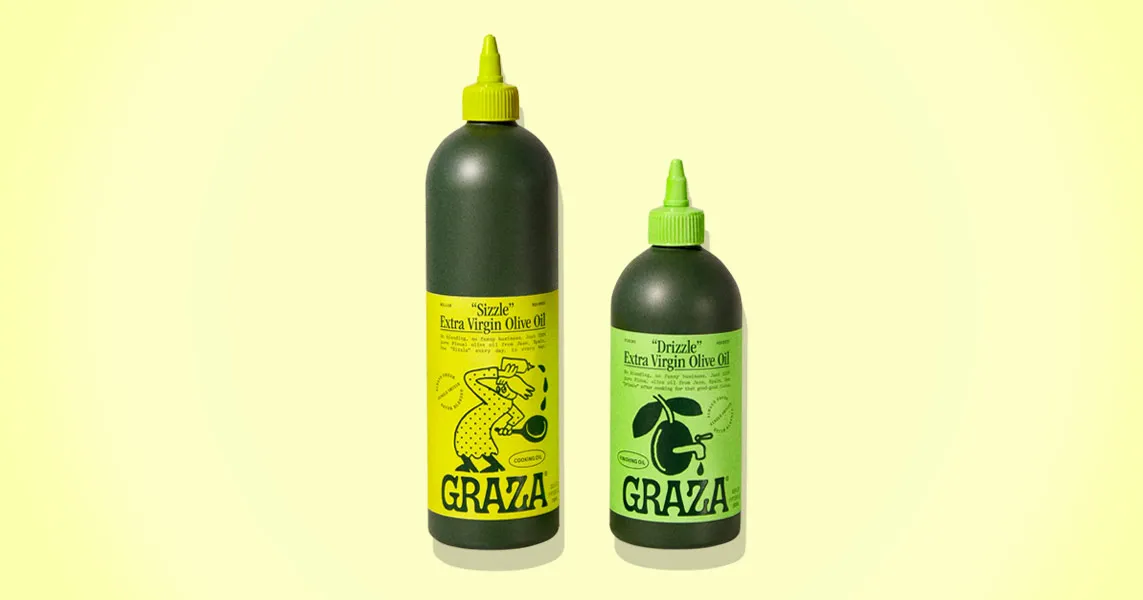
Graza’s Drizzle & Sizzle set features two distinctive olive oils crafted for different uses—one designed specifically for finishing and the other for everyday cooking. Both are made from 100% Picual olives grown in Spain, known for their bold, peppery character. This thoughtful duo lets you enjoy premium flavor whether you’re sautéing vegetables or adding a final touch to your dish.
“Drizzle” is a finishing oil packed with bold, peppery notes, ideal for elevating finished dishes. “Sizzle,” on the other hand, is mild enough for sautéing, grilling, or roasting without losing its integrity at higher temperatures.
Use Case:
This set solves the common kitchen dilemma of which oil to use when. Rather than waste premium oils in cooking, you can use Sizzle for heat and Drizzle for depth, making your kitchen more efficient without compromising flavor.
Where to Buy:
Buy Graza Olive Oil Duo
Oliviers & Co. Grand Cru Balsamic Vinegar of Modena
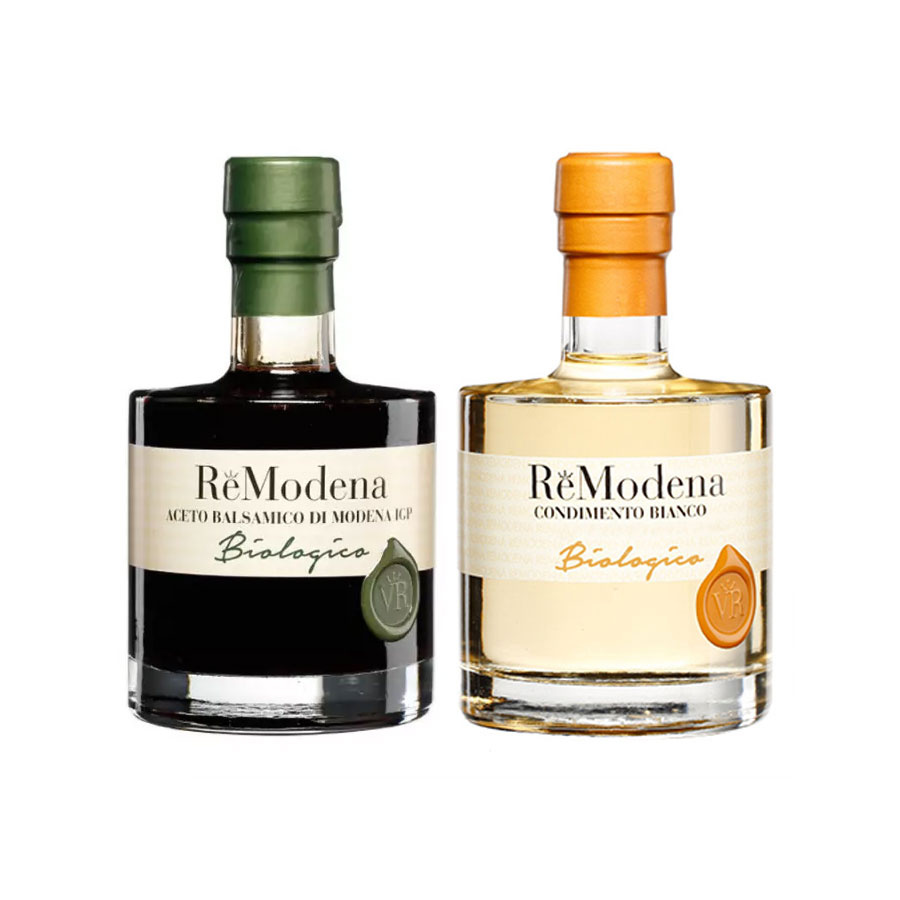
Oliviers & Co. Grand Cru Balsamic is aged for 10 years and made in limited batches in Modena, Italy, using traditional methods.
Its thick consistency and dark, syrupy texture are perfect for drizzling over aged cheese, strawberries, or grilled meats. The flavor is deeply nuanced—sweet, woody, and tangy, with a lingering finish.
Why It’s Worth the Price:
Each bottle is signed by the vinegar master and produced using grapes that meet strict quality standards. There’s no caramel coloring or artificial thickening—just naturally reduced grape must aged to perfection.
Where to Buy:
Buy Grand Cru Balsamic
The Olive Oil Grove Organic Extra Virgin Olive Oil
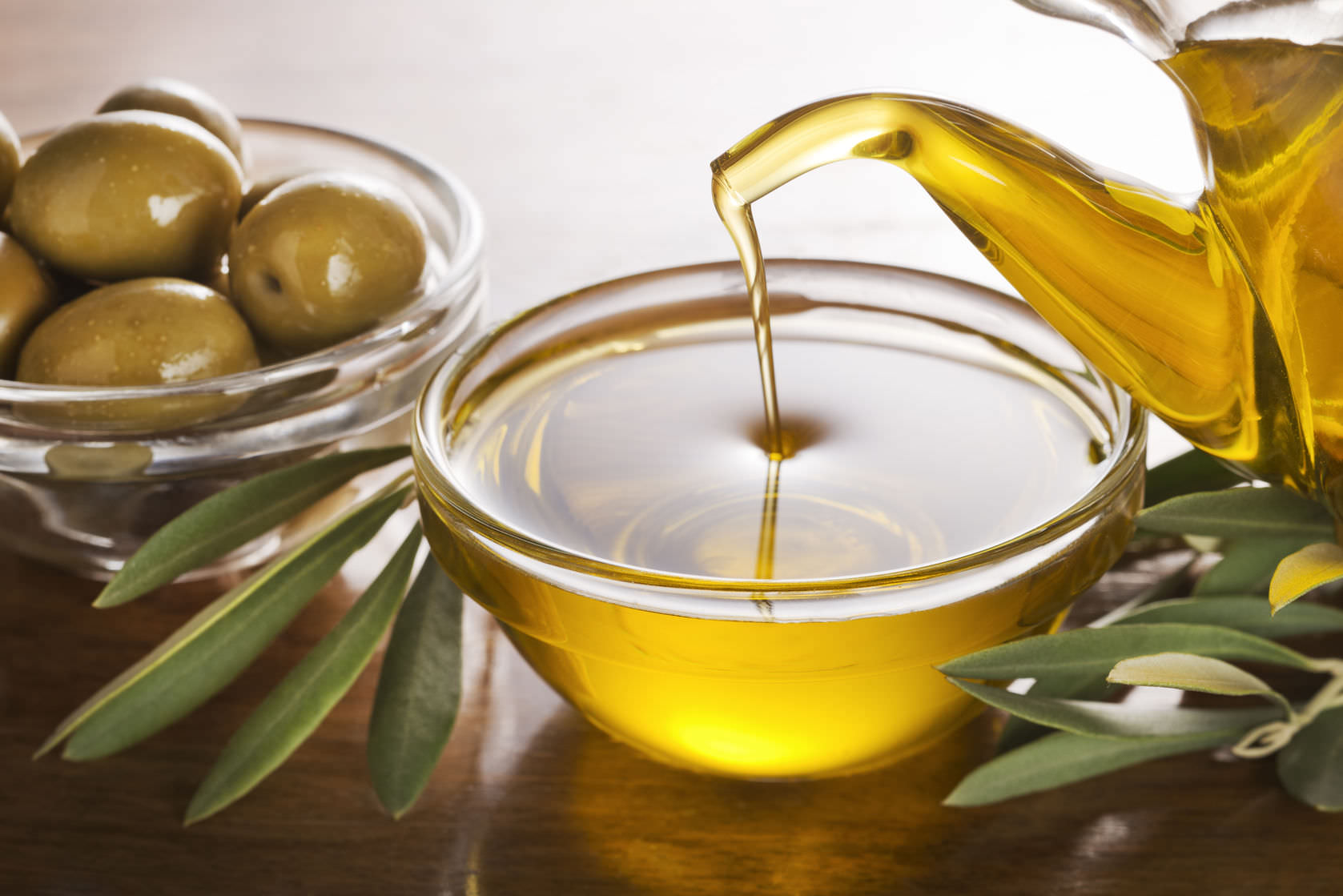
The Olive Oil Grove EVOO comes from organically certified Spanish olives and is cold-pressed within hours of harvest. This ensures a high concentration of antioxidants and a crisp, herbaceous taste.
What sets this oil apart is its traceability and eco-friendly packaging. It comes in UV-protected glass bottles with detailed information about the harvest and press dates.
Use Case for Health-Conscious Cooks:
If you’re focused on organic, farm-to-bottle practices, this oil fits perfectly. It’s especially useful in raw dishes where the oil’s flavor can truly shine—like hummus, dips, or salads.
Where to Buy:
Buy Organic Olive Oil Grove
Acetaia Leonardi 15-Year Balsamic Vinegar
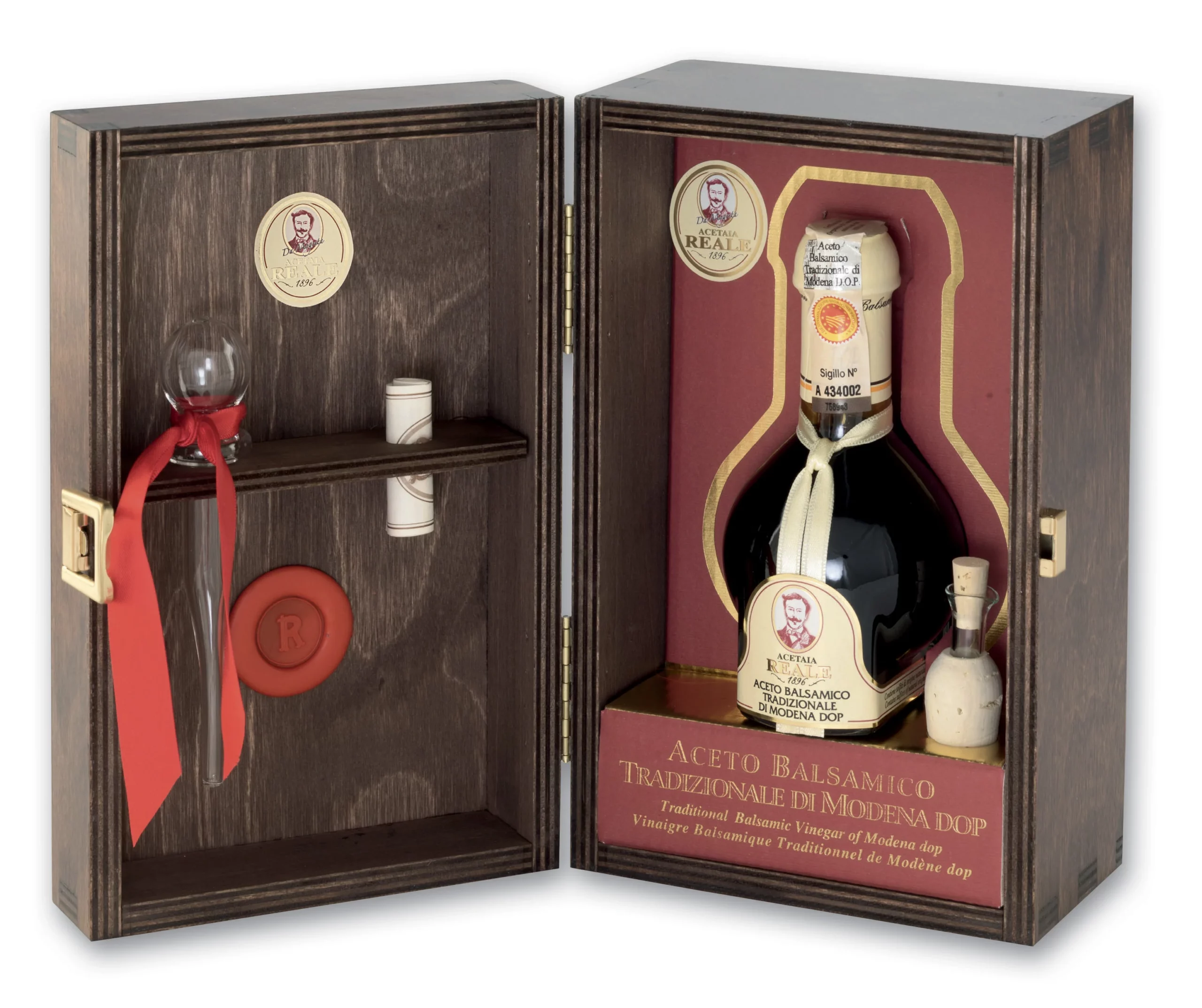
Leonardi’s 15-Year Balsamic Vinegar is a classic example of Modena craftsmanship. Aged in a series of barrels made of different woods, this balsamic develops a rich, velvety flavor with a naturally sweet finish.
It’s ideal for glazing meats, topping vanilla gelato, or even sipping with cheese. No added sugars, preservatives, or colorants—just pure, aged perfection.
Why It Solves Common Vinegar Problems:
In contrast to cheap balsamic vinegar that often tastes flat or overly acidic, this one offers a rich, balanced flavor. With just a drizzle, it adds bold depth to your dish. As a result, you can use less and ultimately save more in the long run.
Where to Buy:
Buy Leonardi 15-Year Balsamic
FAQs
What makes olive oil “premium”?
Premium olive oil is typically extra virgin, cold-pressed within hours of harvest, and unrefined. It has a high polyphenol content and a fresh, bold flavor profile.
How do I store olive oil and balsamic vinegar?
Store both in a cool, dark place. To maintain their exceptional flavor and quality, it’s important to store your oils and vinegar correctly. Ideally, use UV-protected bottles and always seal them tightly after each use to extend their freshness.
Whether you’re drizzling it over roasted vegetables or crafting a fresh vinaigrette, the truth is that choosing premium balsamic vinegar along with high-quality olive oils can truly make a noticeable difference — and it’s one that’s well worth the price. Aged balsamic vinegars are not only richer and more complex, but they’re also naturally sweet without the need for additives. Moreover, they last a long time, which means even a small drizzle can go a long way in elevating your dishes. As a result, investing in quality ingredients pays off in both flavor and longevity.
